Of the films I saw in 2022, about 100 of them can count as new releases specific to the year; that’s a depressingly large number, but I’d say most of them brought me joy, and that’s reason enough for me to think through and call out the 50 I’d recommend.
First, the ones that I felt called to write about…
– 20 –
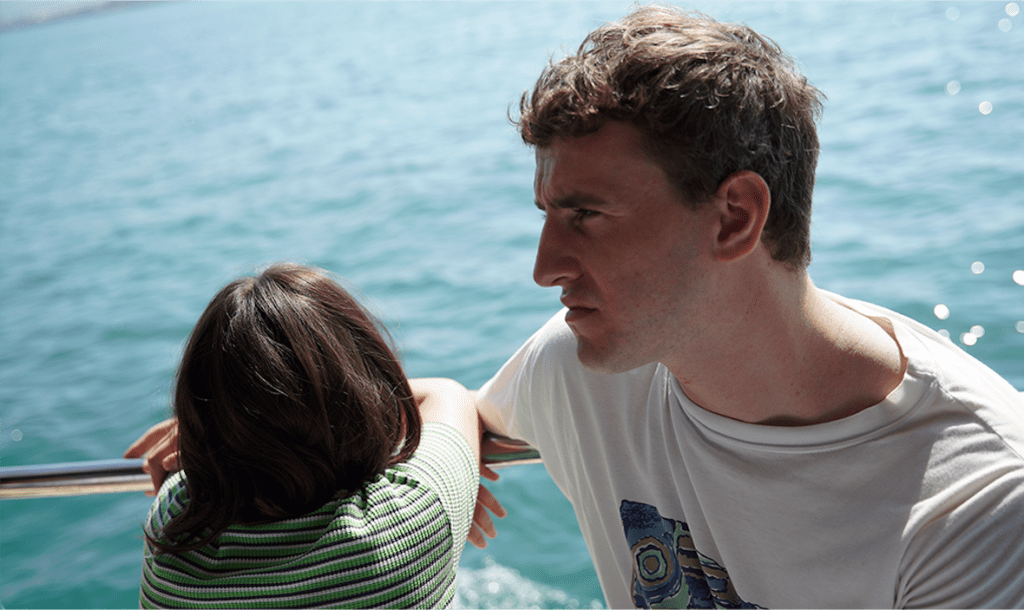
Aftersun
The opening minutes endear, as young father Calum (Paul Mescal) and his eleven-year-old Sophie (Frankie Corio) occupy themselves with the playful distractions of a summer holiday. It’s in the offhand remarks, reactions and whispers – and, sometimes, in the retracing of previously-viewed scenes or motions from opposing angles and motivations – that debut writer/director Charlotte Wells introduces a cryptic tension, maybe to unnerve our frame of mind and relate to Calum’s reckoning with Sophie’s burgeoning adolescence, and what that means for his own sense of purpose (however much he still has). As the days wear on and the emotional cache builds, Wells’s subjectivity intensifies and allows it to supersede our perception of time and place, slipping disconcerting imagery between phrases of the corporeal, as a sun-kissed present dims and wanes into a melancholically complex memory. And as that abstraction takes over, so do the affectionate undertones of the leads lull you into their flickering headspace, inviting us to reminisce with them as they yearn – and regret – for something more than what was there.
– 19 –
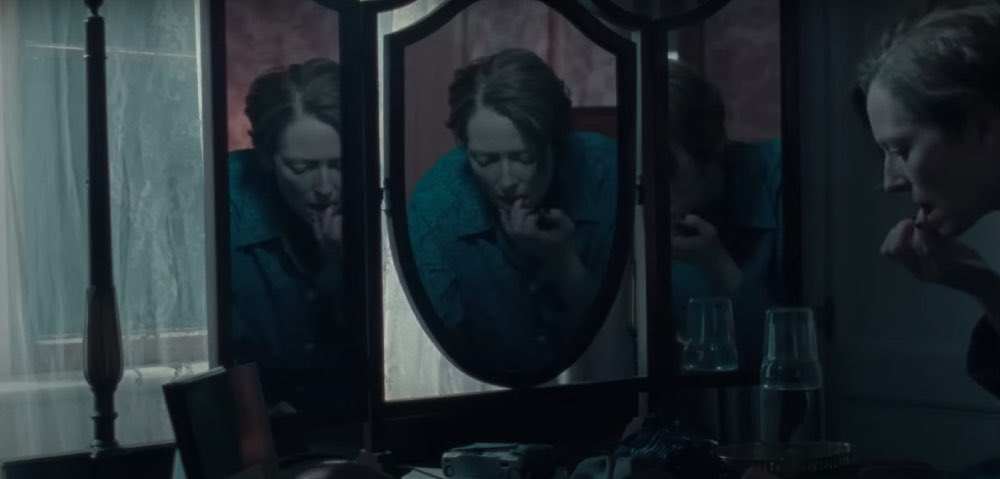
The Eternal Daughter
Joana Hogg stages a Victorian-era-inspired ghost story in current times, taking the premise of a director (Tilda Swinton, reaching the high watermark of one of her most memorable performances) who visits her mother’s ancestral home-turned-hotel, and encounters a nightly presence that seeps through its moldy ornamentation and piercing inhabitants. The location’s many rooms and hallways are curated to archaic precision, with Ed Rutherford’s camerawork and lighting situating us in a median of elevated detachment and musty intent – all while executing a wicked trick to anticipate the disquieting finish. It may be little more than an envoi after The Souvenir duology – a digestif to the entrée – but it’s the kind of miniature where Hogg can show just how adept her hand has become, repurposing the tools of a well-worn genre to construct an entirely different mood piece, even as she pushes the same core buttons on the capacity of close relationships to haunt what we create.
– 18 –
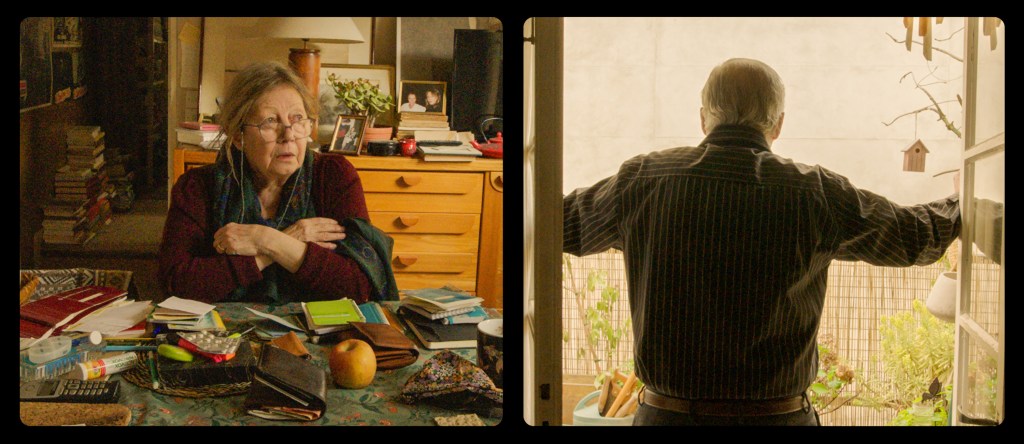
Vortex
Most of Vortex is presented in split-screen; it feels like Gaspar Noé’s latest exercise in formalism, but the discipline of an ever-present dual lens into the lives of an aged couple, in their daily struggle with mental and bodily degradation, brings out more than that. Creating a sustained loneliness is one motive, the partners often separately framed into their own corners of oblivion within the quarters they’ve shared for decades. But then there are the times both cameras frame the same scene, only slightly askance from each other, and force a redundancy that surfaces the intention; he’s giving us the coverage that often only filmmakers are privy to, and so, rather than controlling the edit, impels us to participate and choose ourselves between viewpoints of the internal tragedy that unfolds. It’s our own commiseration that’s left to divide the pieces of the narrative and select which perspective involves us at any given moment – and maybe daring us (as only Noé could) to turn away when one is too painful to stomach.
– 17 –
The Fabelmans
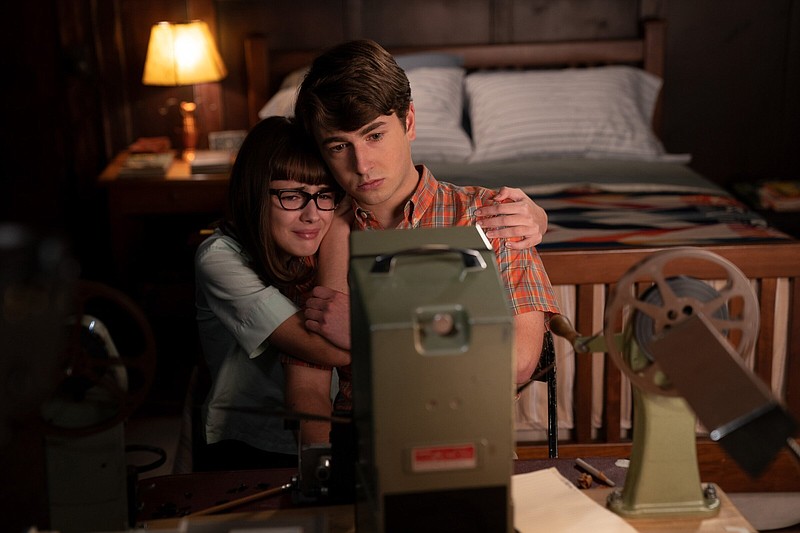
Dreams are scary. It’s right there from early on, when Steven Spielberg’s childhood surrogate (Mateo Zoryon Francis-DeFord, and later Gabriel LaBelle) tries to recreate the impressive terror of a movie scene that’s keeping him up at night. Or when his mother (Michelle Williams) receives a phantom telephone call from the ghosts of filial guilt. Or when his father (Paul Dano) recounts a reverie of his best friend that ends – both in the mind, and in the retelling – on a sudden beat of violence. Or when his waking nightmare of a domestic quarrel leads to an unprompted car ride through the eyes of a titanic storm, an after-shadow of the unknowable monstrosities he’d later bring to life to impress the succeeding generation. In The Fabelmans, Spielberg unpacks his reverence for the transformative power of the cinematic dreamscape, without shying from its fascinating complexity and darkness; how it may be the only way some of us can cope with the fear that pushes us to live, and to love, and to hold dear what matters most. Scariest of all, then, is when he admits that it’s a power he may never understand.
– 16 –
Hit the Road
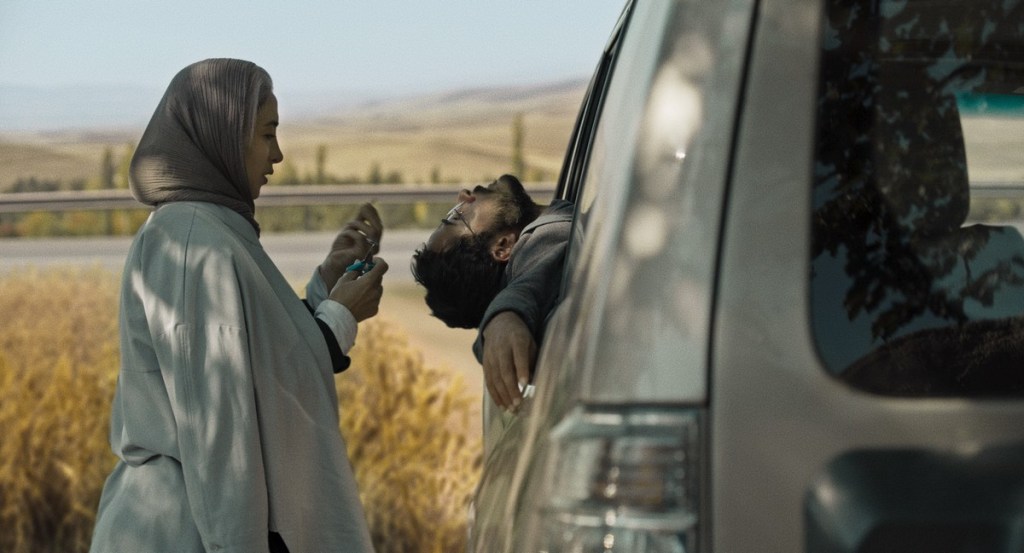
Filmmaker debuts often showcase the director’s creative inclinations, but Panah Panahi’s ace is to draw a scenic magic from the Iranian countryside in ways that might convince you he has control over its natural phenomena; unbroken takes that go on for minutes seem timed to encroaching fog and prolonged masses of birds in flight, giving a sardonic trim to the central dramedy of a family on the run (for reasons unclear) to the Turkish border. The unassuming cast (Pantea Panahiha, Mohammad Hassan Madjooni, Rayan Sarlak, and Amin Simiar) stokes an interactive brilliance as they teem and seethe together in turns of antagonistic levity, and while it may be incessant to start, that character humor never grates or comes at odds with the harsh implications of their plight. Instead, we feel them – and Panahi – squeezing every little bit they can out of the universe before their lives slowly, knowingly come undone – ending on the bittersweet symbolism of a buried catharsis. It’s a testament to how convincingly the script and performances pull on our thickening sympathies – while allowing much-needed breathing space between the pangs of unspoken dread.
– 15 –
Geographies of Solitude
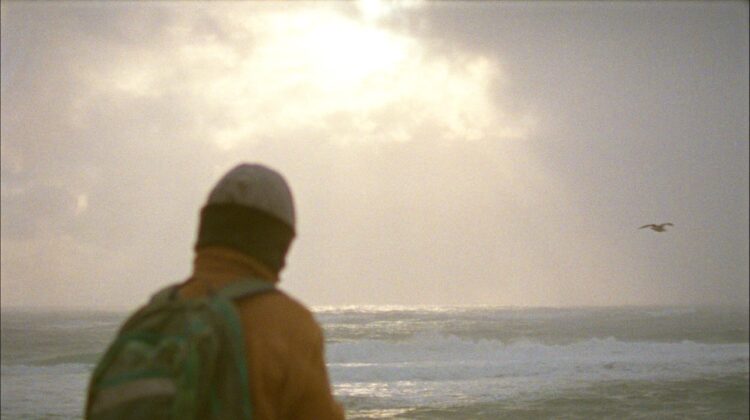
Zoe Lucas has resided on Sable Island for the last forty years; through studying and coexisting with its ecosystems and environs has she grown intimate – and tellingly affectionate – to the hum of all its engines, from the mute tread of insects and disparate herds of roaming mares, to the patterns of clouds and raindrops interspersed with phases of moonlight. All to say that documentarian Jacquelyn Mills, when distilling the island’s breadth into 16mm form, was likely well-served by merging Zoe’s knowledge to her own visionary flair (some of the night photography is killer, as are the surprisingly-artsy superimposed shots that accent the format’s grainy depth). Indeed do we feel a breathtaking connection to the locality, the recordings engrossing us in pleasures both substantially vivid as well as sonically minute, including a ludic device where diegetic slices of the ambience are played as tracks of a score credited to the wildlife and weather. But this is mostly just the setup to gain our investment, and the real throughline rears as we follow Zoe’s daily onus of gathering – and fully archiving – the detritus of human waste that washes up on a progressively burdened shore. Here the iconography of everyday byproducts we perpetuate is used to garner our conscience, and drive home how untouched gardens such as these are no less endangered by the world at large.
– 14 –
Happening
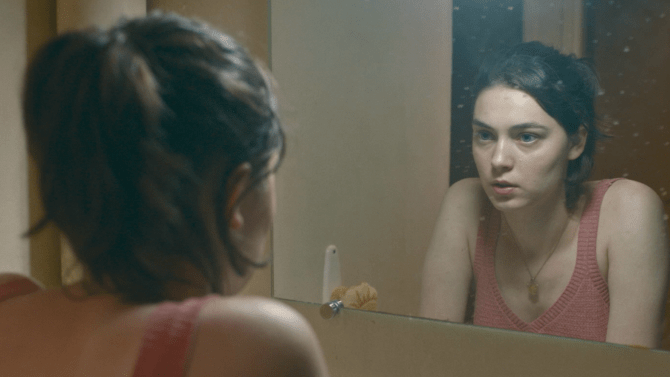
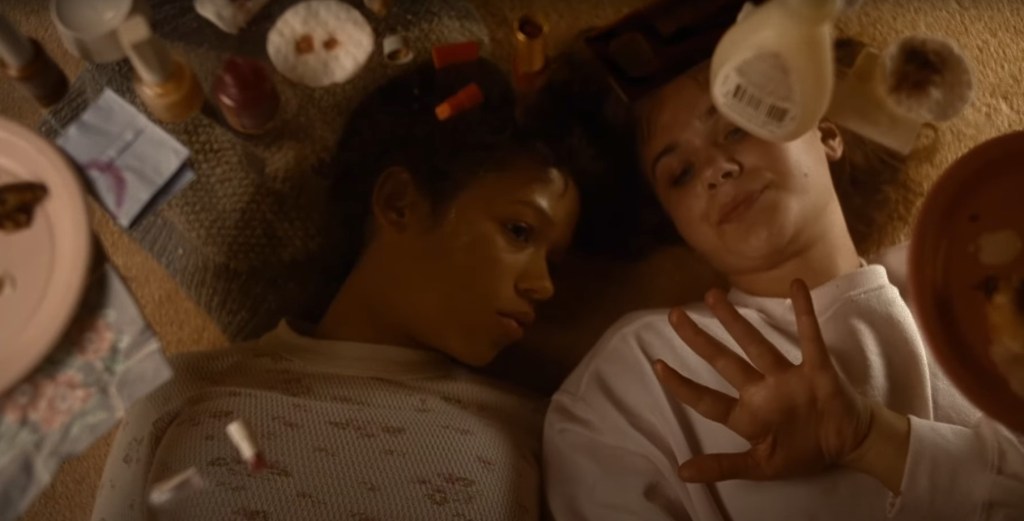
It could be a horror film; if the oppressive tonality and temperance do not immediately elicit danger, that comes in the internalized panic of university student Anne (Anamaria Vartolomei), who runs into dead-end after dead-end when left to search voicelessly for a way out of her predicament – for the year is 1963, and it would be over a decade before abortion is legalized in France. Aside from the period, that horror framing could be what most sets Audrey Diwan’s film so definitively apart from similarly-prompted dramas, and these aspects are earned as one of the few times where our protagonist faces her situation completely, totally alone; never mind that medical doctors lack the capability, or that her family views her through idealized ignorance, but that no friends, or other women, have even the capacity for the empathy she needs, let alone a willingness to support such a damning situation. So does Anne resort to a pact that’s practically Eurydicean, holding no promises for a return to the light; and though this could be a horror film, Vartolomei gives her whole self in a performance of physical verisimilitude that is as agonizingly real – and nakedly prescient – as they come.
– 13 –
Bones and All
As an adaptation of Camille DeAngelis’s novel, Bones and All fortuitously traces and bridges several of Luca Guadagnino’s recent motifs; clandestine devilry (and gruesome carnage) mixes with the prurient awakening of two kindred spirits, underlined by a visceral kinkiness to how we ingest the trappings. The outcast Mena (a revelatory Taylor Russell) is on a solitary road trip through the American gothic to seek out the origin of her unnatural craving; it’s a condition that she silently battles and spites, though it’s clear from the outset that no answer can end or absolve the vicious cycle that’s left her in the wind. Then she eventually meets Lee (Timothée Chalamet), who bears the same appetite and aimlessness, yet elects not to suffer; and while he may not offer redemption, there may be a chance at mutual amelioration in wrestling with the need for penance. Guadagnino frames the somatic interactions with such felt nuance, at turns lethargic and then feral, an offset to the drained muddiness of the landscape and metallic pallor of an iron sky. All elements which coagulate to make for a deliciously palpable course of self-loathing, the pathos carving through what’s skin-deep and digging right into your gut.
– 12 –
In Front of Your Face
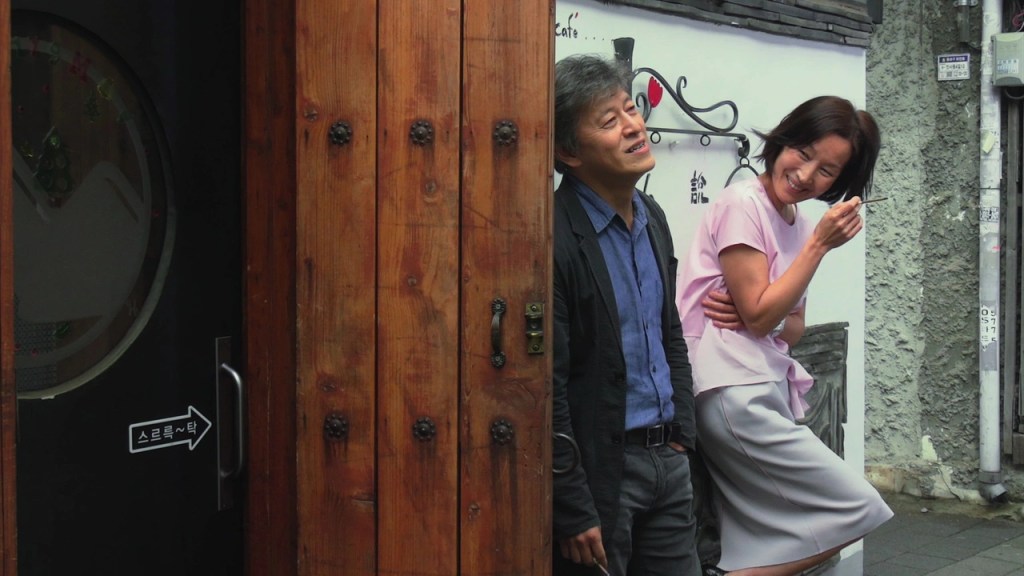
Hong Sang-soo’s approach to filmmaking – meant to abbreviate, expedite, and simplify most steps in the process – may at times require a wide berth for the results to hit home; but when one clicks, it really clicks, and a vital component here is Lee Hye-young, validating the method with a fully-embodied existential grace that perhaps only its spontaneity can hold aloft – and who has my vote for this year’s best performance. Playing the matured actress Sang-ok, on an unglamorous homecoming to Seoul from a failed career in the States, Lee’s essence almost flirts listlessly from scene to scene and remains irresistibly watchable, while her inner monologue venerates the simultaneity of reflection and continuous rebirth that both Sang-ok and Hye-young could be experiencing. She revisits habits and acquaintances of her old life over the course of a day, across topics of materiality, career choices, relationships, and discolored luster; it’s a day that seems to be touching on everything, and then the last extended conversation plays out and confirms that this day is everything, or could be. Hong foregoes the chronological diversions and oblique secrecy that his faithful are accustomed to, and with that conceives something imbued with a stunning forthrightness, arguably allowing him – like Sang-ok – a momentary release from the exercise and a rediscovery of what truly matters.
– 11 –
Il buco
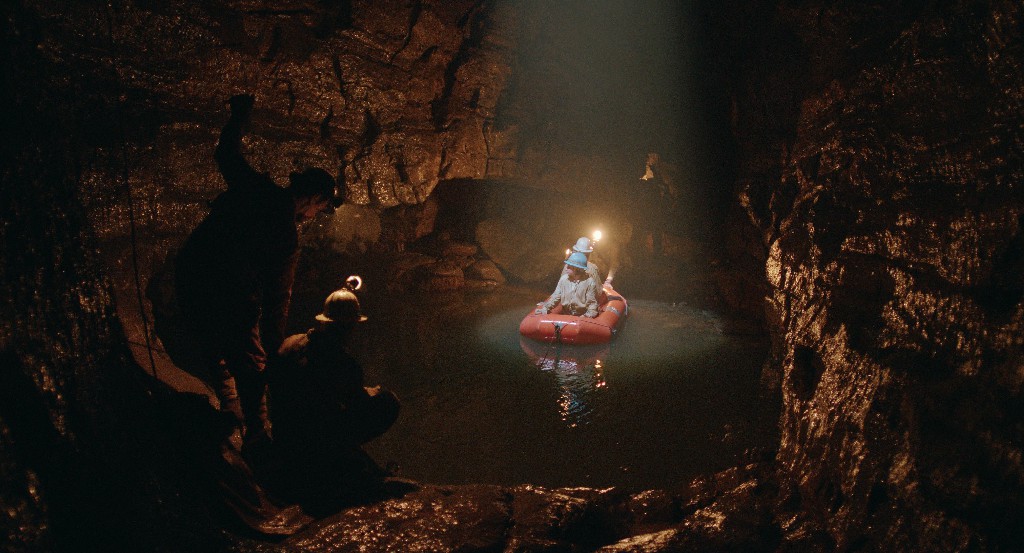
Many of the Italian new wave directors have used docufiction to shade their work, but Michelangelo Frammartino previously split the difference with films that leveraged pastoral observance to meditate on the improbable. That’s not the case here – for the most part – as he helms the far more grounded endeavor of recreating the 1960s discovery of the deepest cave in the continent, anchored on the contingent of miners and speleologists who descend to explore and map every meter of the abyss. It’s still a Frammartino film, with refrains on fertile prettiness and barely any audible dialogue to guide the excursion, and perhaps just a sprinkling of the spiritual, but what captivates is the exacting rigor; everyone and everything is committed to a severe period-accuracy in technology and equipment, for both the cinematic documentation and physical re-enactment. To the extent that safety concerns for the cast and crew had to be stringently addressed; and yet the effusive vigor of the project comes through, whether in the unease of a precarious camera in sparsely-lit spaces, or by takes held on the miners as they exert to find footholds in the pitch-black. Such an undertaking must have been hard to rationalize, but it offers the rare immersive embrace to sate our earthiest curiosities and most sensory extremes.
– 10 –
That Kind of Summer
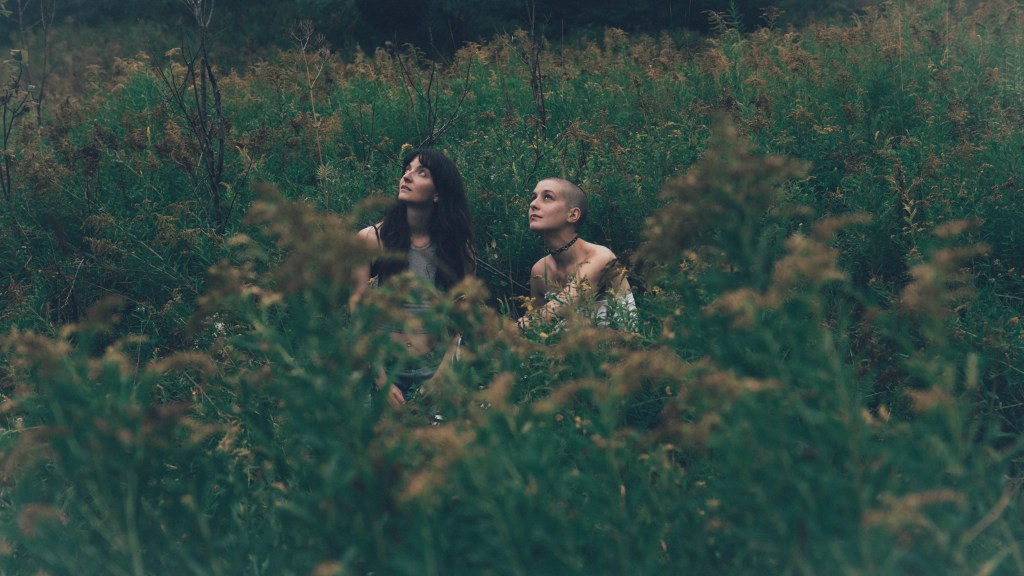
Three women (Larissa Corriveau, Laurre Giappiconi, and Aude Mathieu) enter a month-long program at a lakeside cottage, though none of them may actually be willing to receive treatment for the sexual addictions they’re perceived to have. That hesitation and abrasion tersely keeps us at bay, but by beginning with a series of repeating close-ups, Denis Coté first allows their human faces – as well as those of their therapists (Anne-Ratte Polle and Samir Guesmi) – more than enough time to imprint on our faculties and empathies as we see them at their most demure, before the segments that follow find their demeanors triggered and contorted to an uncomfortable maximum. Stark interiors and bruised sentiments might recall psychological dramas with more pointed structures, but the quality here is elliptical; its personae are allowed to meander and circle the demons that behold them with no confrontation in mind, and things are rarely inclined to go anywhere – or come to any sense of reprieve. For some viewers that could be an arduous test, but perhaps it forces us to the understanding of what really ails them – and whether the mending they need is one that any can give.
– 9 –
Fire of Love
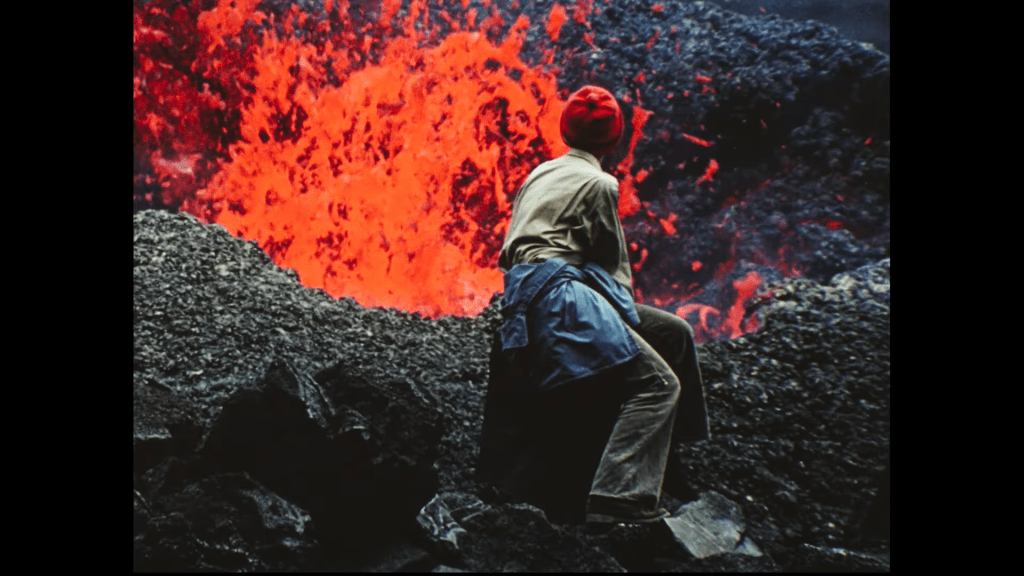
A volcanic eruption feels like a party; the stock coverage from firsthand photographs, newsreels, educational videos and more is brought to blistering life and richly layered together to preserve the academia at the core of Fire of Love, but there’s also a moment where a scientist bounces a chunk of pumice off another’s helmet for fun. It fuels the excitement of recounting the emerging – and dangerously sexy – field of volcanology, together with the rock star scientist couple (Katia and Maurice Krafft) who lived at its forefront, their passion and fame granting them impervious bravado amidst lethal surroundings. Sara Dosa’s construction takes a similar tact, emphasizing the almost-sensual allure of the deep-red lava which simmers and throbs in concert to the drum of seismographs and helicopter blades, but gradually must all things cool; as we see more footage of the wreckage and deterioration that the after-flows leave behind, so too does the tone shift to call out the maturing urgency of environmental danger, and the study begins to harden together with Katia and Maurice’s once-sinewy relationship. Still, Dosa keeps the downbeats reliably tethered through the marveling of Miranda July’s narration and Nicolas Godin’s kinetic score, and so our fascination remains searingly alive even as the inevitable mortal consequences come to bear.
– 8 –
Funny Pages
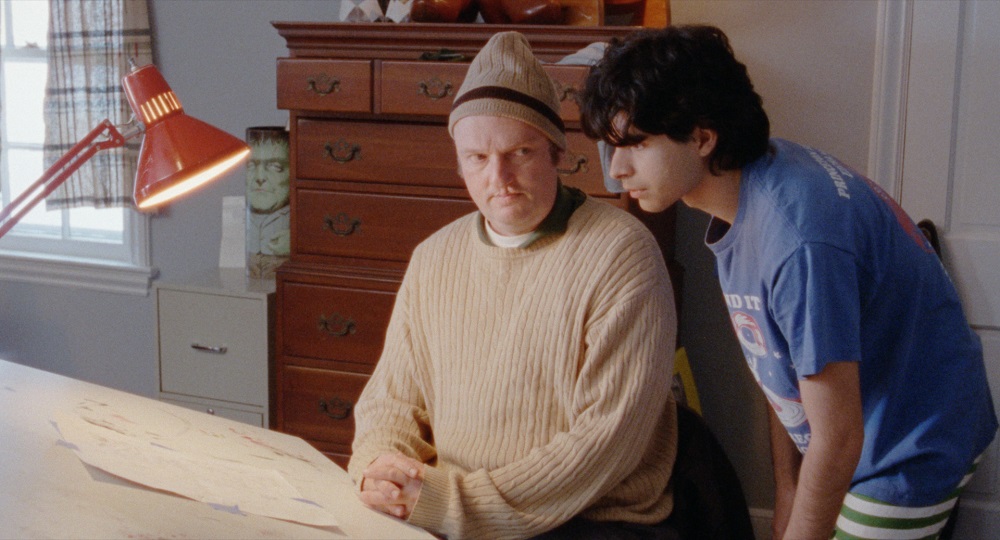
If you’ve read this far and have had enough of the tired, pretentious platitudes I’ve been throwing out, then great news – Funny Pages could be just for you, as it’s nothing less than a vehemently-raised middle finger to the very notion of artistic aspiration (or, hell, maybe any aspiration at all). Owen Kline expands his original comic strip into a winning debut feature, painting a wholly unsympathetic portrait of a young comic book artist (Daniel Zolghadri) who, although as gifted as he is acerbic…does not seem destined for great things. At least, it sure doesn’t look it, judging by the awful living circumstances he gleefully places himself in to stubbornly pursue his independent ambitions, including a basement apartment that’s purely and painstakingly polished into as unapologetically vile a set as we can imagine. Even so, it’s hard not to buy into his underground energy and muse at whether there’s some fortune in the cards, only for us to see the barest of consolations ripped to shreds – or stabbed right through the head, in the most hilarious climax I’ve enjoyed in years. That’s why it all works; not because it’s uncompromising, but because it’s performed, paced and put together with the kind of sentimental care to which it shows utter disdain, while unwilling to sacrifice the cantankerous edges of a blackly neurotic heart.
– 7 –
Inu-Oh
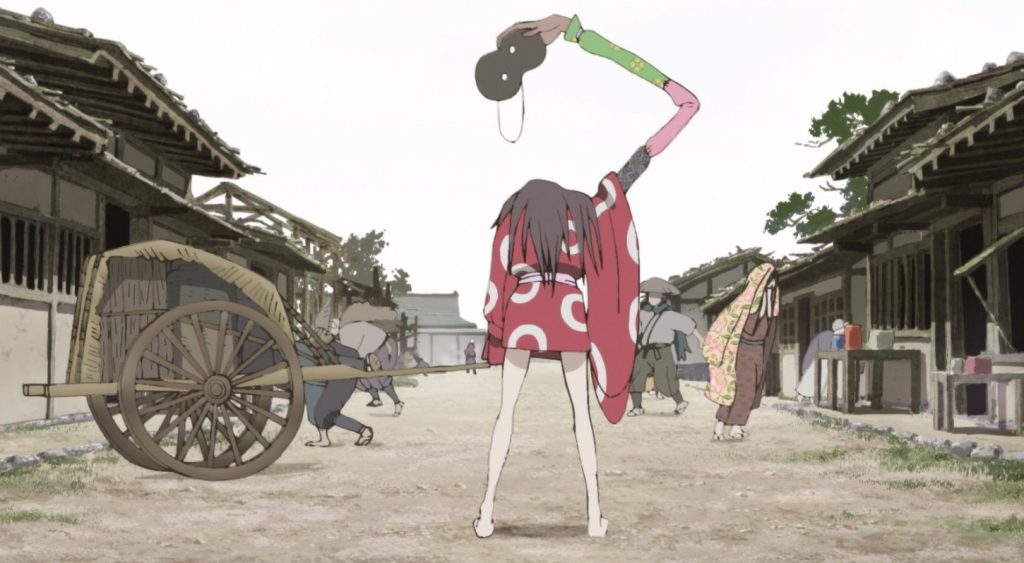
Masaaki Yuasa indulges a proclivity for the bizarre, not one to abandon the type of stylisms, designs, and structures that more sensitive audiences would find off-putting, so long as they fit the unique patchwork he has in mind. Here his animation is as exuberant as ever, furthering a grasp on stretching anatomy to its limits in order to broaden the span of characterization and expression, suffused with hues that call and induce more than they pop, but even though I was primed for the outlandish, this new work could beggar anything he has ever attempted. At first straightforward, with the table set to a mythological prologue (the 12th century battle of Dan-no-ura and its associated superstitions are a fixture), it soon strips away its wrappings – or perhaps devours and then reforms itself – to become a folkloric, whimsical odyssey starring a peculiar duo of vagabond entertainers…and then twists and plies the narrative ebb further still as Yuasa and composer Yoshihide Otomo unveil their main event: a dizzying fermata enactment of feudal Japanese theater that amounts nearly to its own feature, skewered with anachronistic prongs of horror punk and glam rock. Yuasa loses himself in this outing to reach the amorphic and dynamic crescendo that hand-drawn linework best exemplifies, with any sense of determinism vanishing gloriously from the machine.
– 6 –
After Yang
In Kogonada’s future vision of the world – densely relayed both graphically and textually – culture is dying. The geo-crisis seems solved, the environment has endured, and – albeit in a cold, technologically-inevitable way – the pains of race, taste, and bigotry, while not overcome, have been anesthetized. But culture is dying; herbal plantations from which we can brew artisanal tea survive, but the fondness and meaning of tea-making itself is solemnly forgotten. After Yang follows a family (Colin Farrell, Jodie Turner-Smith, and Malea Emma Tjandrawidjaja) who have adopted the titular android (Justin H. Min) into their nuclear unit, and takes them through the unconventional processing of what occurs when he breaks down beyond repair. As prototypical for such parables, the sentient circuitry is a metaphor for our own human propensities, and here the hypothetical endpoint is tradition eradicated; in an era where temporal fears may have pushed us to secure our longevity, memories have been devalued, and thereby is tomorrow preserved at the cost of any kindling of the past. So the holy grail becomes Yang’s extracted memory bank, having miraculously retained his facsimiles of experience, desire, and ideology; a full life – perhaps even several lives – condensed in immortal code, and which a museum director (Sarita Choudhury) feels could be a vital curio, maybe even a way back for us to once again appreciate and begin enshrining the days gone before they fade. If remembering is the right thing after all; or if we can only actualize ourselves when we let go and say goodbye.
– 5 –
This Much I Know to Be True
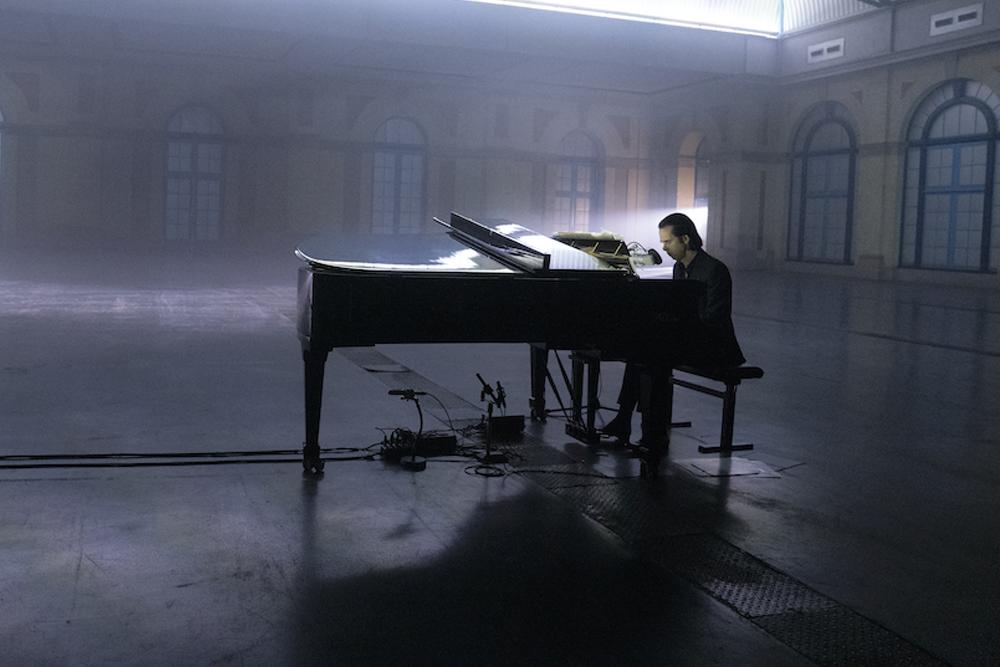
This marks Andrew Dominik’s second turn at documenting Nick Cave and Warren Ellis’s artistic process; the first, One More Time With Feeling, had the backdrop of Cave continuing to perform and compose an album through a family tragedy, and addressed how the strains of grief and personal healing come together in what is made. No similar context is laid down this time out, and while the impetus is pretty clear (this was filmed in early 2021 right before Cave’s post-COVID tour, and even begins with him sharing a new craft he’d learned in lockdown), such notes are kept to the wings. The most of an interview we get are snippets of Cave answering random questions from fans; they show a thoughtful transparency that’s matched by Dominik spotlighting the working sessions between Cave, Ellis and their collaborators as they put together the final preparations for a live performance, and by Dominik’s choice to film without a curtain, frequently showcasing the whole crew – and director himself – on camera to be features of the product as they are of the workings behind it.
And that’s fitting; when the performance is later brought to life, it becomes an equal showcase for both filmmaking and music, a masterclass in perspective, blocking, and lighting that transforms the unceremonious hall into a stage of limitless grandeur and reinvention – and in so doing, entreats us to take in Cave’s orchestration and vocals on a level that stirs the soul. Yes, it’s ironic that this came from the same director (and in the same year, nonetheless) as Blonde, but This Much I Know to Be True is as hope-affirming as they come, celebrating how what we are passionate of will live on through the most difficult of times.
– 4 –
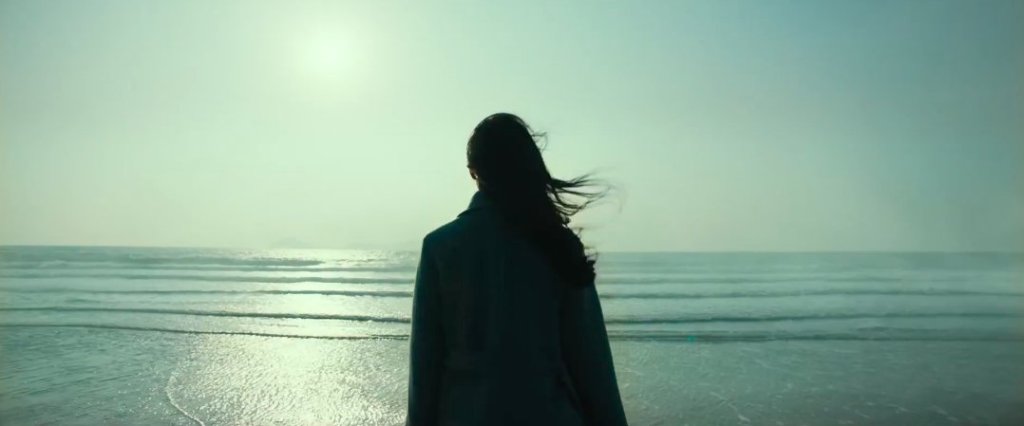
Decision to Leave
Sometimes I’ll find myself so compelled by a film’s technicals that they overwhelm the stability of the experience, and that could partly be what Park chan-wook is going for: the cuts and dissolves rhythmically agnostic, the score by Jo Yeong-wook dancing from percussive discordance to harmonic ardor, the restless camera in constant, agitated flux, the native intermingling of flashbacks (and fantasy) absent any spatial or gradient separations, the refreshing gleam and weathered mist of Kim ji-yong’s rain-tinged palette substituting for classical shadows. These would be intriguing wrinkles in any surface-level thriller, but here they embolden a study of two familiar, yet romantically defiant, archetypes of the noir movement, and sharpen our awareness as we dive into the psyche of insomniac detective Hae-joon (Park Hae-il), whose calculatingly dry gaze into the bleak streets of Busan is marred by an impulse to latch onto obsession after obsession, as seen in the unresolved cases that cover his wall. Until he meets the murder suspect Seo-rae (Tang Wei), and finds in her a persuasive, soothing eloquence – belied by her bluntness and discomfort – that urges him to believe she could be the key to unlocking peace in his mind, despite her incriminating ties to the case at hand.
Assuming peace is what Hae-joon wants; it’s what he neglects whenever he passes on the chance to reside with his loving wife in the quiet town where she works, away from the city streets. These are all patterns we know – at least, they seem to be – but it’s less about the outcome, and more about analyzing the contradictions at heart in our search for solace; how we seek those answers that will – whether through restitution or ruin – suffice us with a resolution, before such contentment eventually breeds lust for what will always elude us. Seo-rae understands this, and so does she make the decision to upend the fictive conclusion we (and Hae-joon) believe is due – and leave only the beautiful misery of what can never be fulfilled.
– 3 –
EO
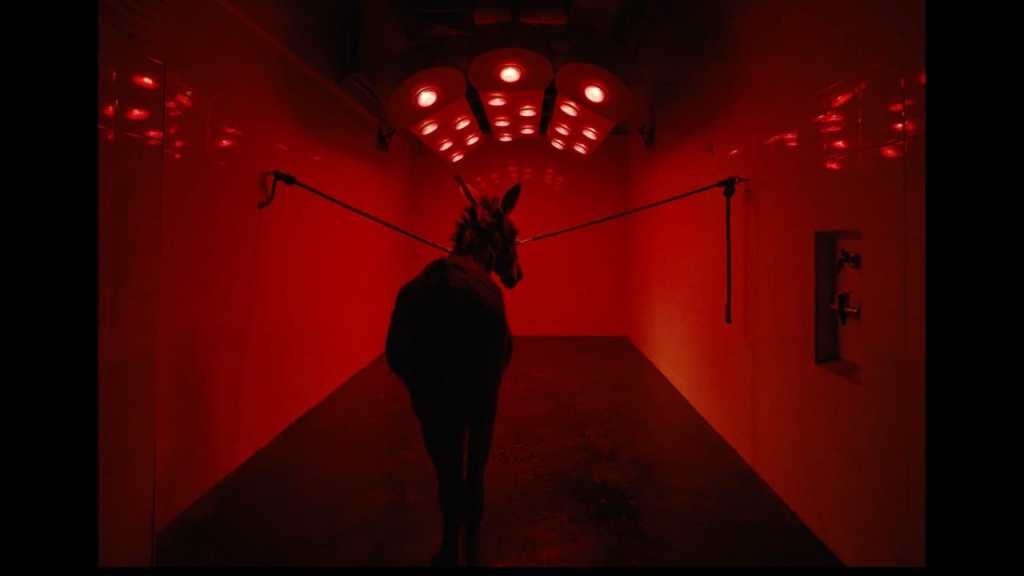
No, Jerzy Skolimowski’s much-lauded opus isn’t just ninety minutes about a wandering donkey…or maybe it is. Enforcing an interpretation would be myopic; it could be the engendering “animal point of view” project that it’s billed as, a template practically mainstream by now (leaving aside that the acknowledged basis of Robert Bresson’s Au Hasard Balthazar is nearly sixty years old); it could be the allegory – and irony – of how such lost creatures, when cast out into uncertainty, instinctively beg for a return to the no-less-questionable routines they came from; it could be an omniscient discrimination of the callous – at times alarmingly repulsive – behavior of the humans we come across, as suggested by the sweeping scope of the frame that negates the ugliness with geographic magnificence; it could be the masterstroke of experimentation that quells our regard for orthodox storytelling, the canon confidently refuted in favor of free-form ideas that even the staunchest viewers would be hard-pressed to pin down, with standards established and then rejected from one act to the next; or it could simply be the collection of vignettes we are privy to, sketches of man and beast alike, which on their own serve as instructive tales of cruelty and morality.
It could be any, or all, of these things; it could be none of them, the realization being that as much as cinema, in all its proficiency for subjectivity and verité, may try to relate an experience that does justice to its subject, there are some things that remain inscrutable, and languages that all the techniques we have fall short of reproducing. But filmmakers do try; such as in how Michal Dymak’s filters provide us cues and contrasts to discern between external realities and equine ruminations; or in how the timing of Pawel Mykietyn’s notation, at turns discrete, then jarringly synaptic, could be dictating the protagonist’s consciousness; or in how Skolimowski brings in the use of first-person vantages from moving objects to imply that even the inanimate form part of the fable. In that attempt they produce multitudes, and in those multitudes does the enigma, while no less knowable, surpass the need for any human beatification.
– 2 –
Benediction
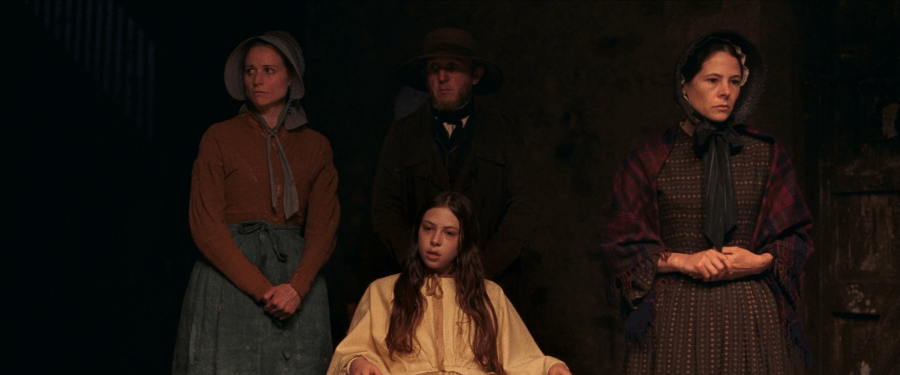
I still want to believe – as much as I’m tempted otherwise – that the craft of filmmaking has only gotten better with time; whether or not filmmakers themselves rise to the bar is another measure. Fitting, then, that in a year filled with reverence to the past, stalwart Terence Davies has brought forth what might be its overall strongest film, having advanced from the string of humble masterpieces behind him to create something as modern as it is adherently timeless. His thesis on early-20th-century poet Siegfried Sassoon (Jack Lowden) does not shy from being a conventional biopic, threading formative episodes into a reflective tapestry – an approach that has been less in vogue, as we’ve had a shifting focus towards films that opt to summarize, and artificially compact, their subjects in more singular events. Davies is too sure a hand to worry about that; he selects not the moments of heightened drama, but those that meticulously reveal.
The historical verses are modulated by Lowden’s tempered voice-over, which, instead of supplying exposition, offers a delicate reading of Sassoon’s poetry, and similarly does the rest of the cast manage to find that elegance in their every delivery and composure (I’ll call out Jeremy Irvine, Kate Phillips, Tom Blyth, and Peter Capaldi, even as I’m criminally excluding the others). The production breathes with gorgeous detail, the sets and costumes brimmed to explode, enhanced by the symmetry for each shot-to-shot transition and by prudent motivations that beckon to the inner turmoil beneath the picturesque surface. And the ending…it’s easy to become obsessed with the perfect way to end a film, and Davies finds and embellishes a finale of such absolute devastation that it could be the best in my recent memory. This is simply what classical filmmaking can do; not trying to reinvent but laboring to refine, and crafting something that feels as if we’ve been mainlining fine art for our two hours in the reels of a master.
– 1 –
The Wonder
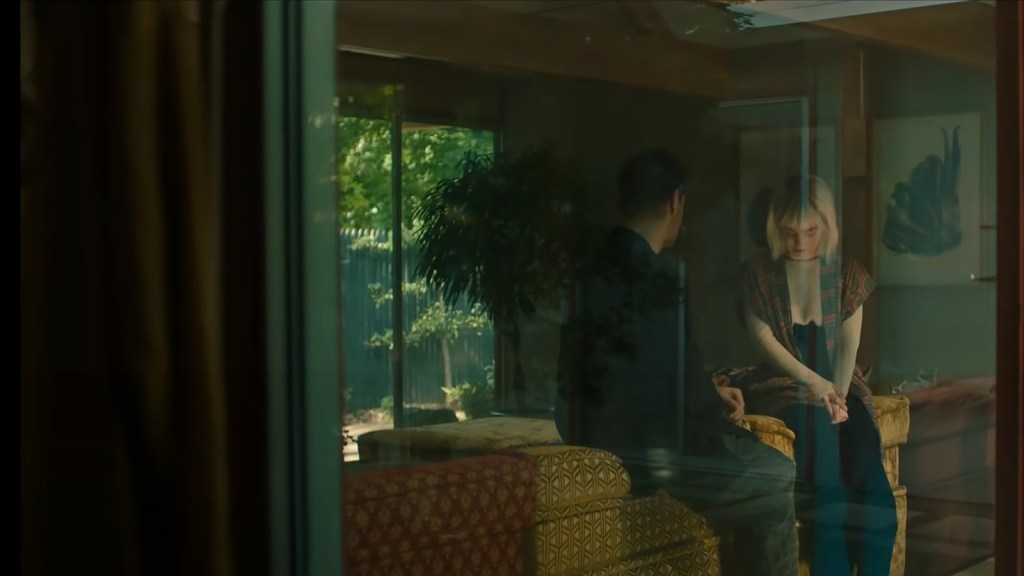
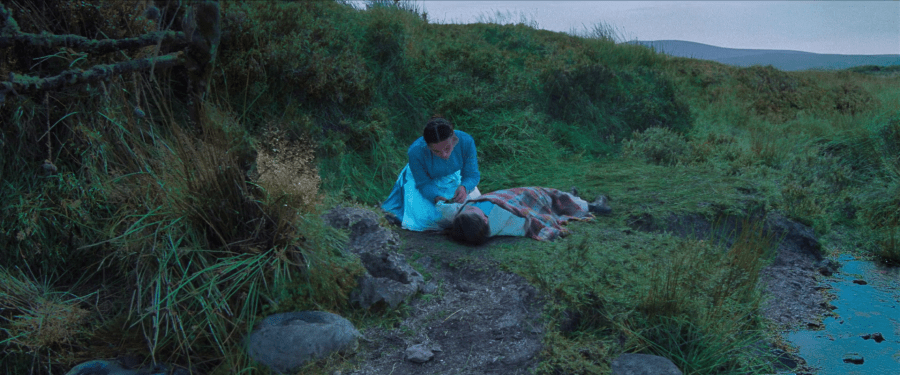
When Sebastián Lelio introduced The Wonder, he invoked Jean-Luc Godard; it was unlikely for him not to, that being the very date the legendary auteur had passed away, but the coincidental relevance of his quote is hard to deny: “Sometimes reality is too complex. Stories give it form.” It’s practically echoed in the opening stanza, in fact, yet the lines are spoken over a framing device that runs seemingly counter to that very thought. Lelio’s film is adapted from the novel by Emma Donoghue (who also co-wrote the script with both Lelio and Alice Birch), but this startling creative choice is original, entreating reality into the equation and allowing it to intrude, uncomfortably, on the suspension of disbelief we normally rely on to engage with a film, thereby frustrating the story we’re about to watch from holding a convincing shape. And it’s not just a one-off; he revisits this practice quite a few times, both explicitly and implicitly, as we wind back to 1860s Ireland and meet Lib (Florence Pugh), a nurse and war veteran bearing more than a few personal stigmas, who’s sent to a Catholic village to inspect the case of Anna (Kila Lord Cassidy), a “fasting girl”: one who claims to have survived for months without consuming food, giving herself to grace and partaking only of “manna from Heaven”. As a woman of science and religious skepticism, Lib has been assigned by a pietous council to be part of an ever-present watch on Anna through each second of the day, not for caretaking, but to monitor her fast and – the council hopes – independently verify that Anna’s claim is true.
Pugh carries herself with a curt regality that tells us immediately what Lib thinks of the assignment: barbaric as it is asinine. So she’s frustrated to find Anna – with Cassidy almost bewilderingly ethereal in the role – not at all performative about her conviction; she’s as unshakable in it as she is enraptured by it, and somehow peacefully unfazed by all of Lib’s consternations of her evidently dwindling health, and by the repeated attempts to break her self-imposed suspensions from reality. Lelio’s dramas often feature a woman cornered (figuratively as much as literally) by an externally pervading force that threatens to either subjugate or erase what she is; in The Wonder, it may at first seem that these two women are instead set in opposition, but as the pitch of their conflict begins to escalate – with Matthew Herbert’s score bracing us towards a fiery tautness – and loses its deceptive passivity to become chillingly squeamish, so do the characters finally yield, if not to each other, then to a staggering acquiescence.
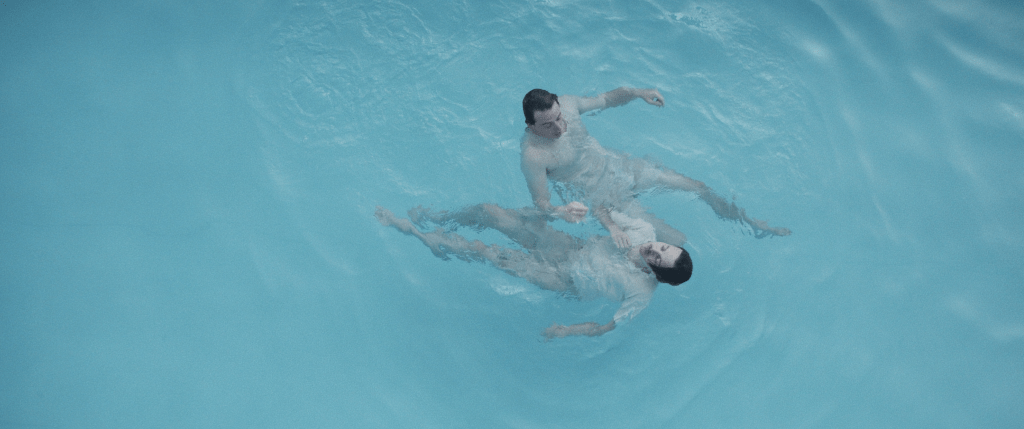
And though I may have expected to relate closer to Lib in this story, it was in Anna that I found an emphatic semblance of meaning, especially when we learn the reason for her fast: reality in all its moral decay has already punctured her being, and that pervading decadence, perpetuated in malignant fervor by those who surround her and whom she surrenders to, has led her to shoulder the violations of others for a communal salvation from the fire. Though Lib is also facing a form of Hell that is all too real, one that has been thrust upon her, but that she wraps herself in to find comfort; those external ills may consume them both…unless perhaps – as in my favorite shot of the year – within this shared penitence is an equilibrium wherein their stars lie in neither Heaven nor the sky, but in the sort of purgation that Ari Wegner’s luminant canvas evokes, as it resolves the muddled naturalism with the lush, lurid tones of a verdant dream.
It may have been a bit of a presumption for Lelio to invoke Godard; it may have even been presumptuous for him to push some of the creative choices he made here. Other filmmakers have done similar things, though usually those of more renown and accolade, and whose auteurism is more assured. Some could argue that Lelio hasn’t earned that yet; that’s fair, though for me, he has. And perhaps Godard really was a closer inspiration than this project might let on; I believe him.
I’ve been curious for a while as to what kind of stories the two years of the pandemic would inspire. It felt difficult to say; I remember how any on-the-nose depictions of dystopian governments in fiction became less popular after 2016, as the therapeutic and curative artistic motives and faculties are a lot more complicated than that. In 2021, most films in release had generally been in some advanced stage before the lockdowns happened (and then delayed for practical reasons); some would find the space to acknowledge it, but few actually dealt with it – more of a cognizance than an internalization. Eventually, we did get media that sought to recreate and maybe even directly reflect on the circumstances of the recent past to some fidelity, but this feels like a genre that hasn’t made a dent yet, if it ever will.
The deluge of filmmaker autobiographies is interesting; obviously The Fabelmans had been kicking around Steven Spielberg’s head for a while, but it was in this environment – whether or not directly because of it – that it fully materialized. Alejandro Gonzalez Innaritu would do the same with Bardo; likewise with James Gray’s Armageddon Time. Again, the notion of directing their life stories had long been conceived, but how that subject takes shape comes from what the artist personally gains from the exercise and the circumstances in which they work. Spielberg might have embellished, but the sketches feel openly close to home; Innaritu indulges and fantasizes, but seems to introduce the possibility of doubting his self-worth; Joanna Hogg had already completed one of the most definitive memoirs of our modern day, and even she felt the inkling for The Eternal Daughter to add a coda with Victorian-era polish. All of them, though, seem to be guided not to deconstruct the present or hypothesize the future, but to delve into and reimagine the past, or at least bring it to the fore and hold up its mirror.
It’s not as some plea to return to times that were “better”, or even “simpler”, as in most cases the revisits dredge up all the weighty baggage they’ve long been laden with. Rather, it’s almost as though the present, when at its most precariously static, prompted the need to reach back, and dig deep, and find that spark of inspiration from points of their lives where it may have felt the most potent, if only to feel reanimated as they regained the strength to move on. And even outside of the autobiographies, inspiration seemed to come from sources with more than a bit of distance from today – but those that in some way marked formative chapters for the filmmaker, or invention, or society as a whole; take Jerzy Skolimowski’s thought in EO to homage the film that emotionally shook him, or Michelangelo Frammartino sharing his awe at what people with less sophisticated technology managed to unearth in Il buco, or Audrey Diwan’s Happening reliving the severe implications of an unenlightened time – all three drawing from the same decade, it so happens.
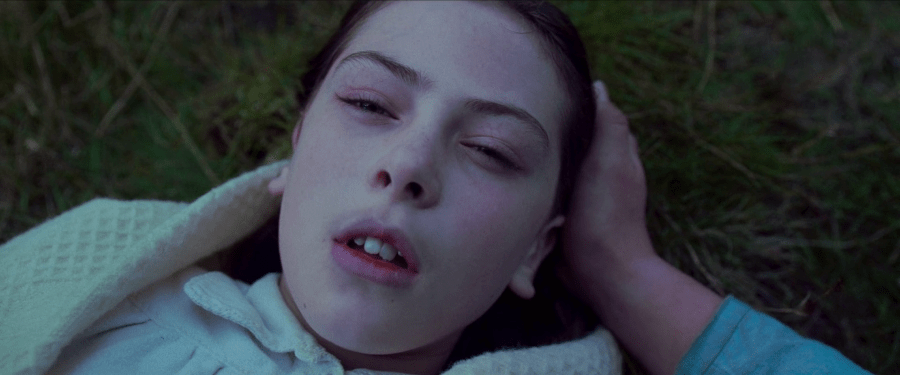
It’s a repeated moral that to truly get past something, it needs to be confronted. With art and story, I don’t know if that’s always the case. The struggle becomes a source only if our relationship to it has something we actually hold of value; otherwise, more important is what it leads us to reignite, and reaffirm, and revive. I’ll admit, I’m honestly more affected than I let on whenever I think of how miraculous it is that films have survived in as close to intact a form as they have; that for all the pessimism and public calling of the artform’s potential irrelevance, whether with the ubiquity of more immediately-gratifying serial mediums, or the dread of algorithmic production and distribution, or the obsolescence of movie theaters – which remains one of the only platforms where filmmakers, as much as moviegoers, can truly feel as inspired and liberated as they can be – they’re still here. It speaks to how those who empower the medium’s ability for transcendence are as talented and driven as they are and, no matter the circumstances and changing course all around them, will always find the burning compulsion from inside of themselves to touch and elevate our spirits through our most starved despair. Manna from Heaven. It’ll be there – if we believe it will.
And now, the films that didn’t make the cut, but that I’d still strongly recommend…
– 21 –
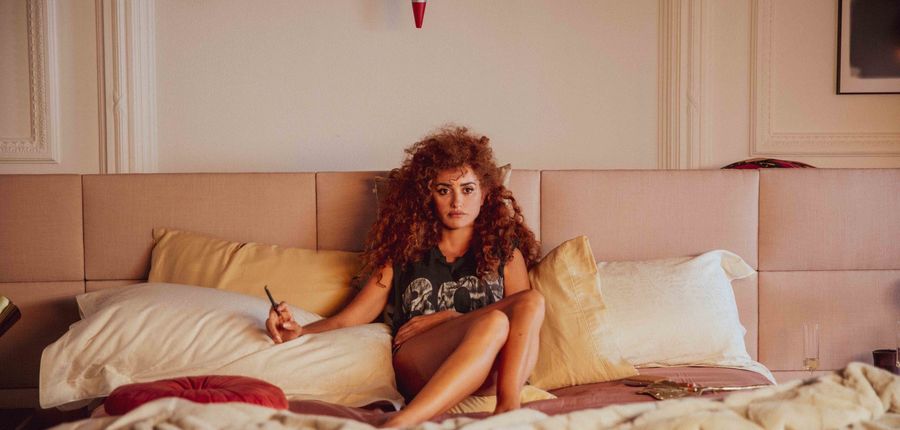
Official Competition
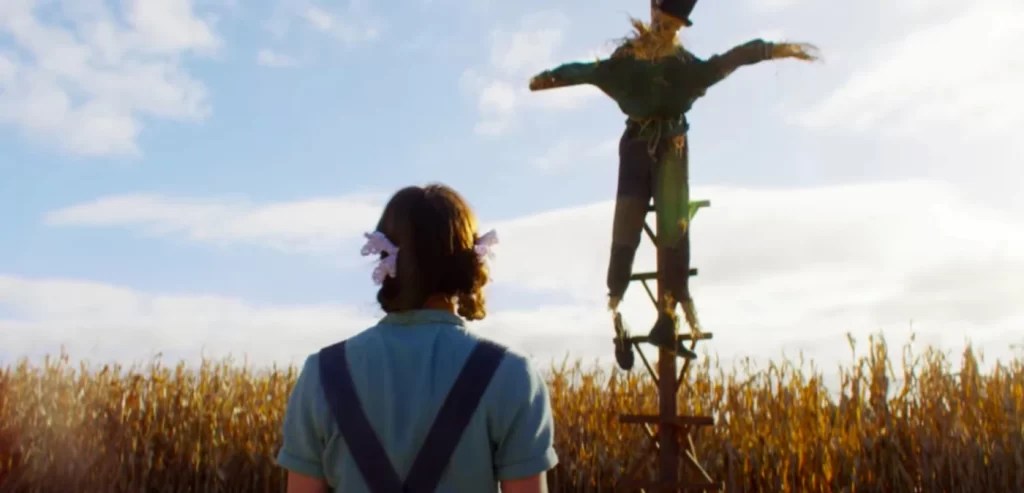
The high-profile cast is low-key excellent in this sneakily absurdist, bitingly humorous, and technically crisp metafictional satire.
– 22 –
Pearl
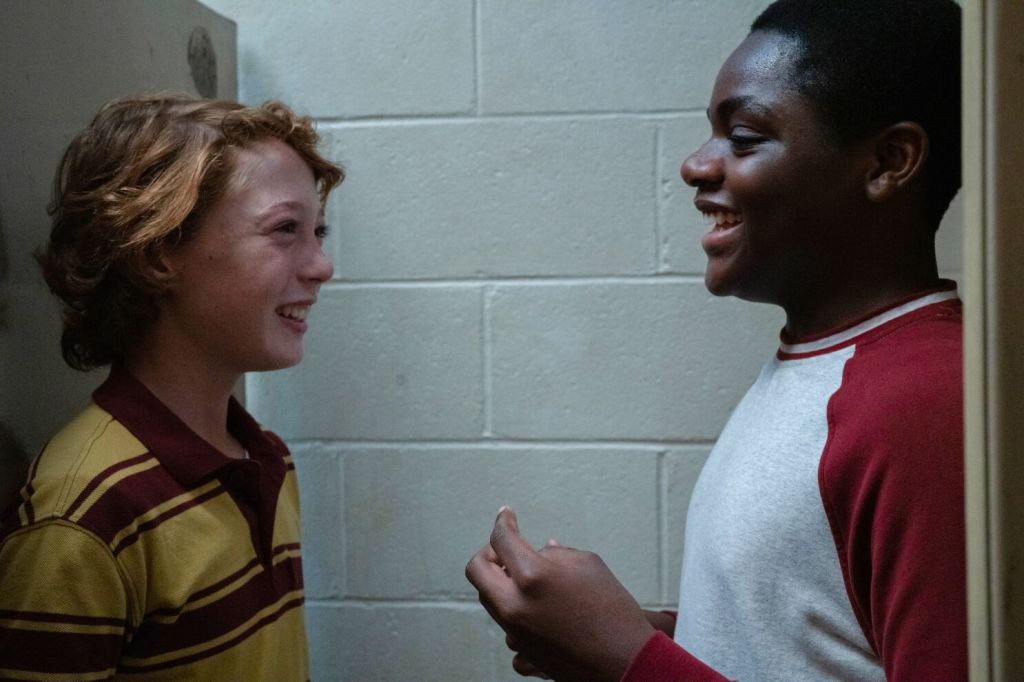
Dare I say a step up for Ti West, remixing technicolor varnish with grindhouse fiendishness to bait and then eviscerate our nostalgia on a dime.
– 23 –
Armageddon Time
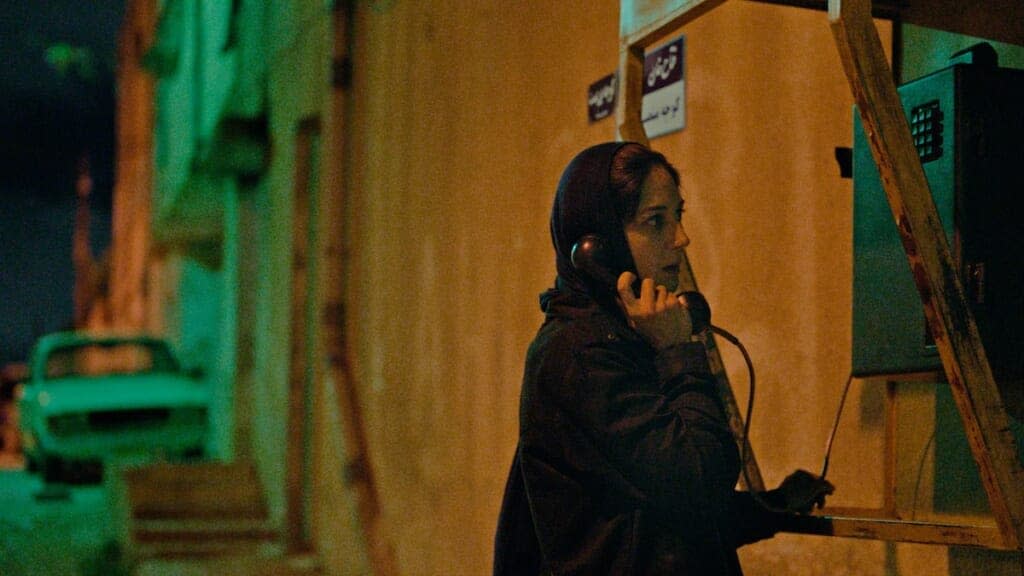
Sincere but cerebral, James Gray restores the collective trauma of 1980s America and the doom that was already in the making.
– 24 –
Holy Spider
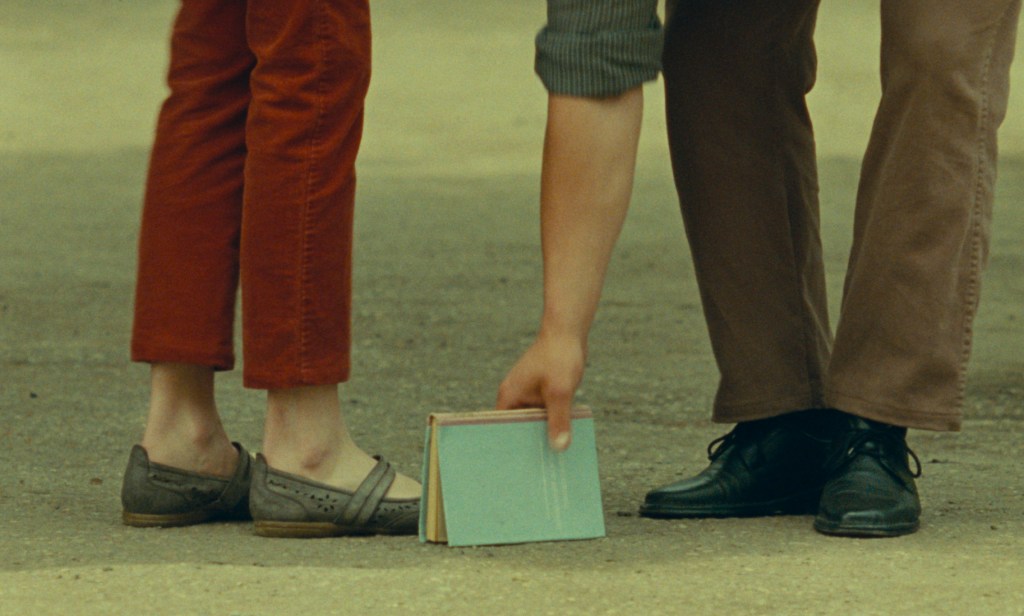
Ali Abbasi’s journalistic crime procedural extends its detached philosophy to enhance a noir-ish aura.
– 25 –
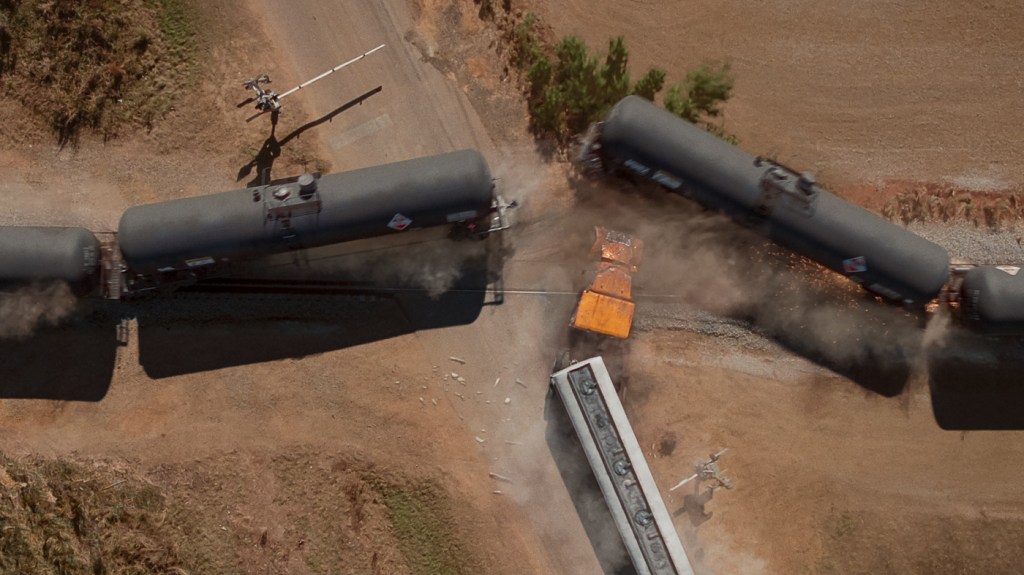
What Do We See When We Look at the Sky?
Georgian magical realism from Alexandre Koberidze brings out an unabashedly sweet story of idealistic clarity.
– 26 –
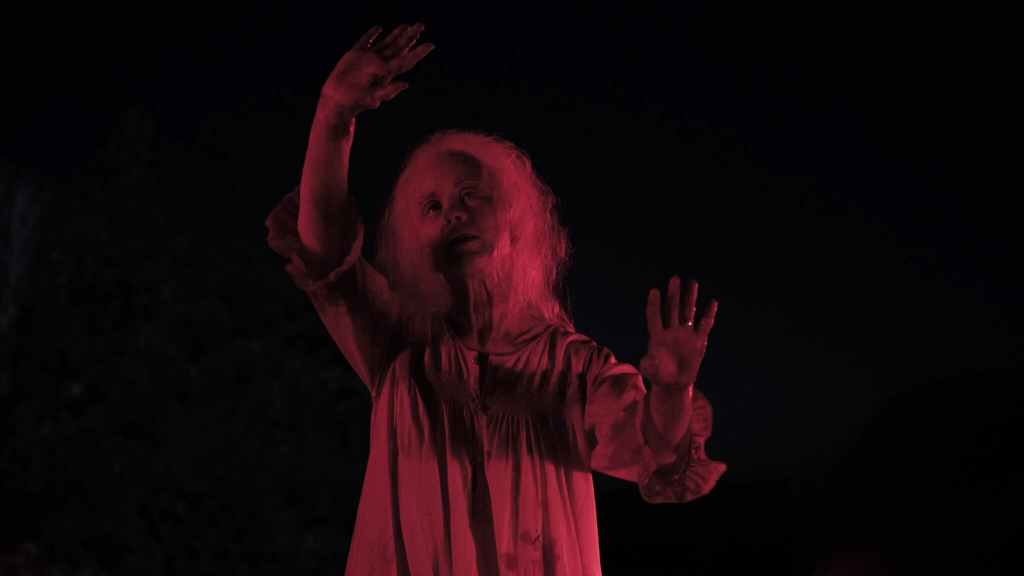
White Noise
Noah Baumbach harkens cleverly to the cinematic sensibilities of the novel’s period, and faithfully merges Don DeLillo’s ennui with his own causticness.
– 27 –
X
It’s as nakedly inglorious as the slashers that inspired it, but perhaps even more exactingly satisfying.
– 28 –
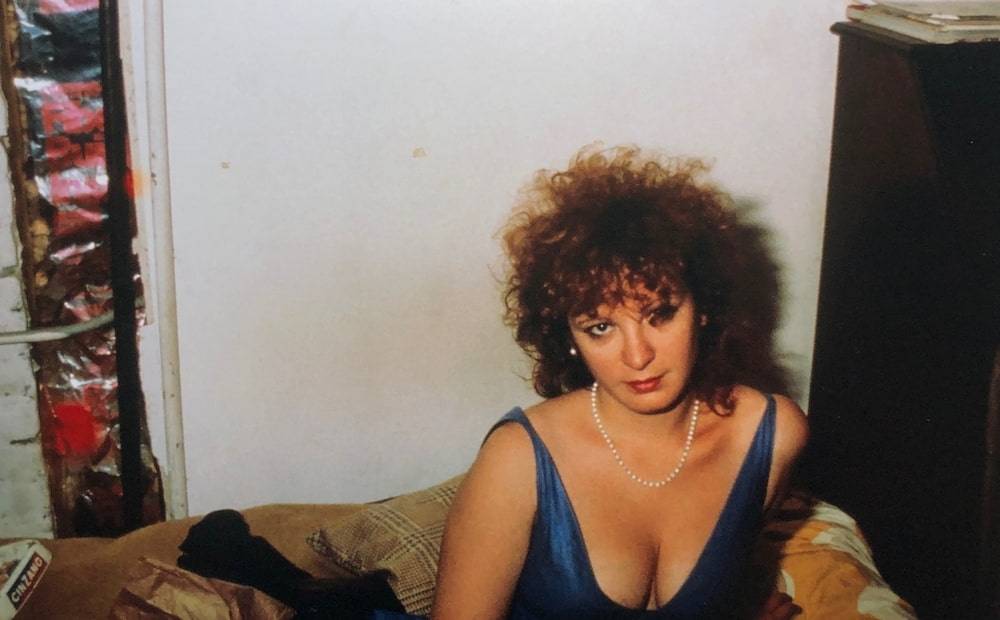
All the Beauty and the Bloodshed
Nan Goldin’s photographic oeuvre is presented in an understated calibration that nonetheless galvanizes her purpose.
– 29 –
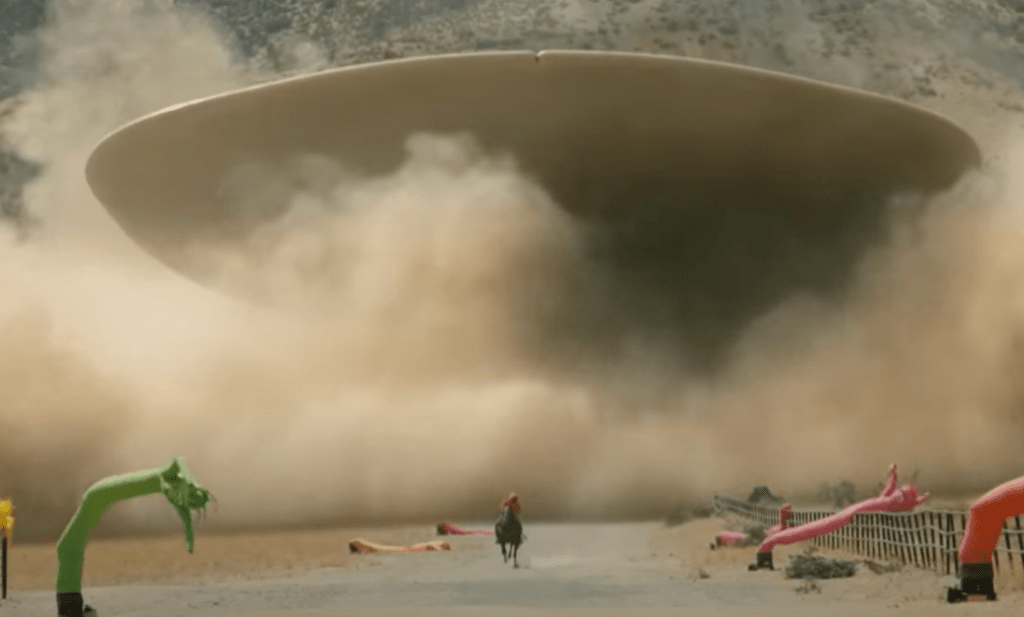
Nope
Jordan Peele brings down the apprehensive wrath of those the planet has mislaid in his objectively best film.
– 30 –
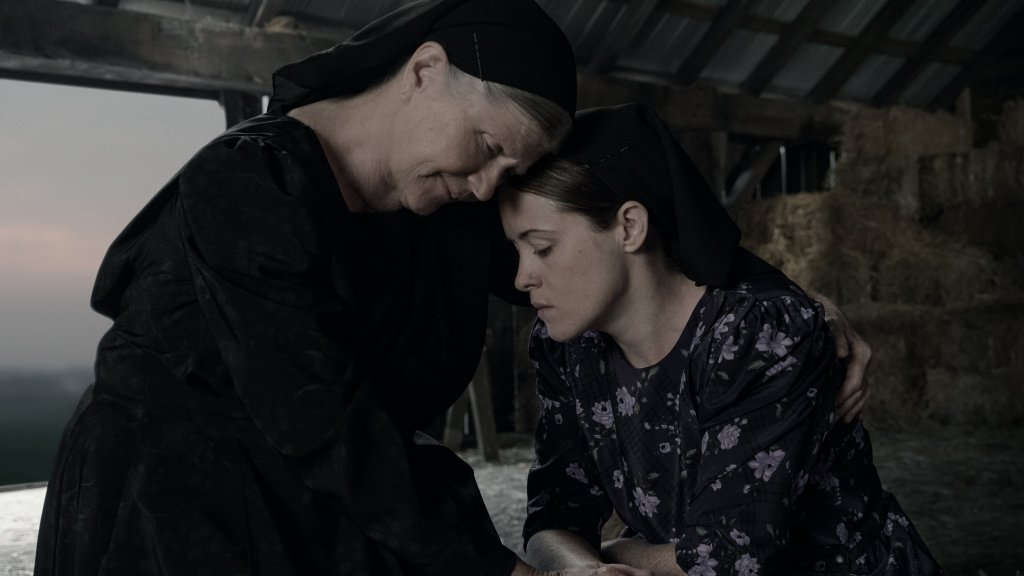
Women Talking
The boldly apocalyptic palette is unsettling, but it matches the dialogue’s tempestuous resolve in heralding the world’s rebirth.
– 31 –
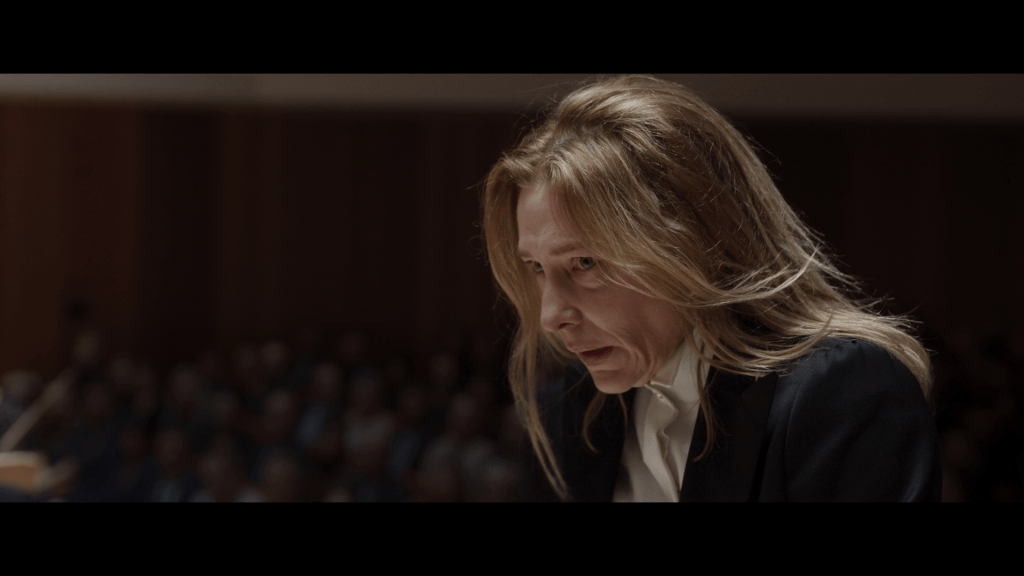
Tár
Cate Blanchett leads a technically striking and structurally virtuosic feature that follows a metronomically rigid arc, seemingly rehearsed and preordained before the curtain even rises.
– 32 –
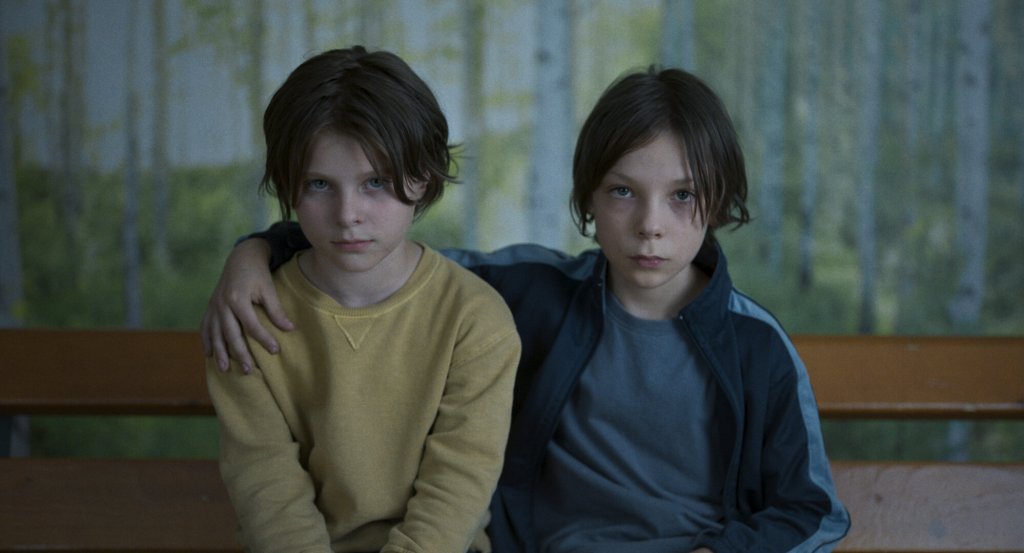
Playground
Writer/director Laura Wandel’s debut anxiously forebodes up to the heart-stopping conclusion.
– 33 –
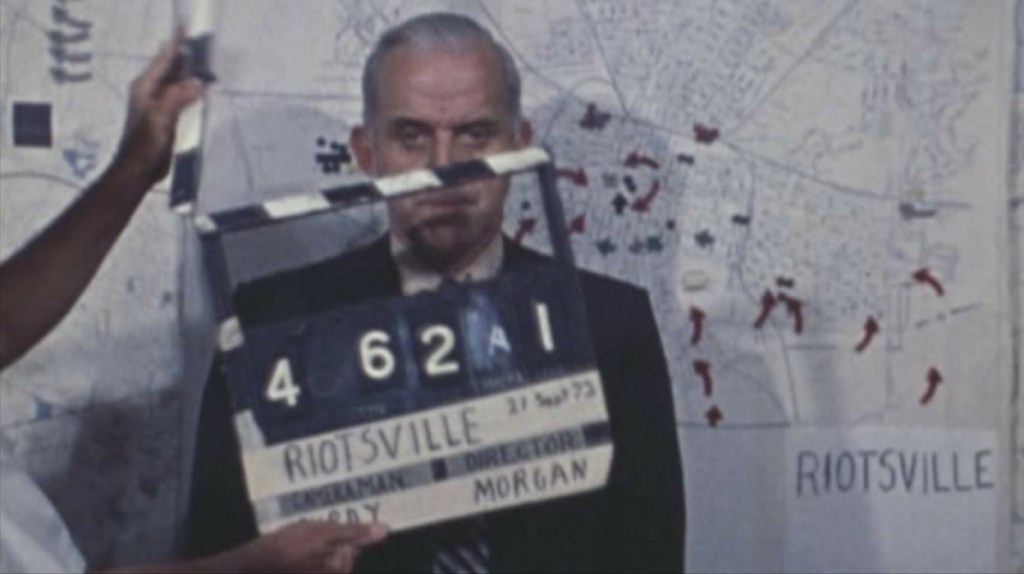
Riotsville, U.S.A.
A secret history of government-sponsored brutality is recounted through a rousing tone poem of archival condemnation.
– 34 –
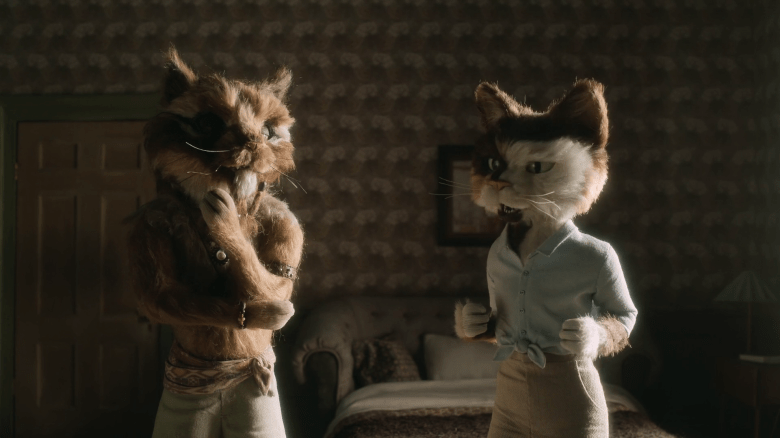
The House
This stop-motion horror triptych dynamically balances aesthetics, thematics, and unexpected poignancy.
– 35 –
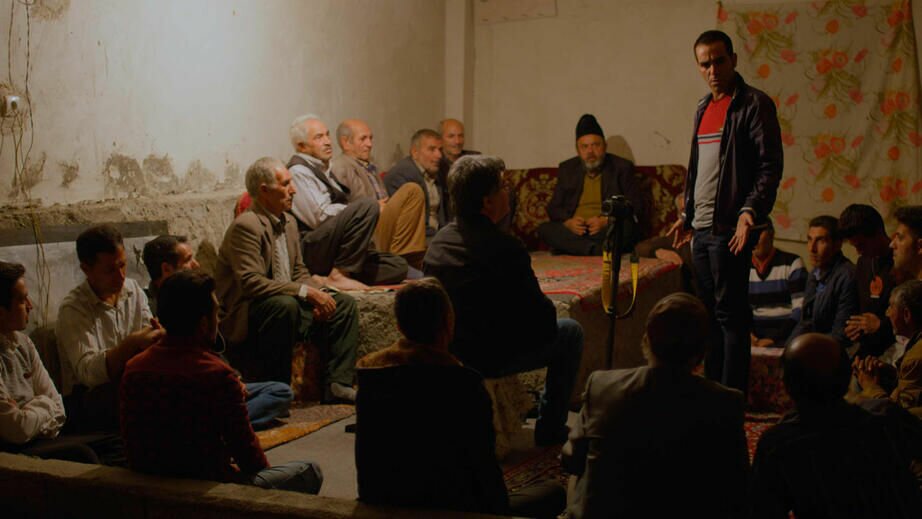
No Bears
Jafar Panahi’s new take on docufiction serves as both political incision and touchingly personal reflection.
– 36 –
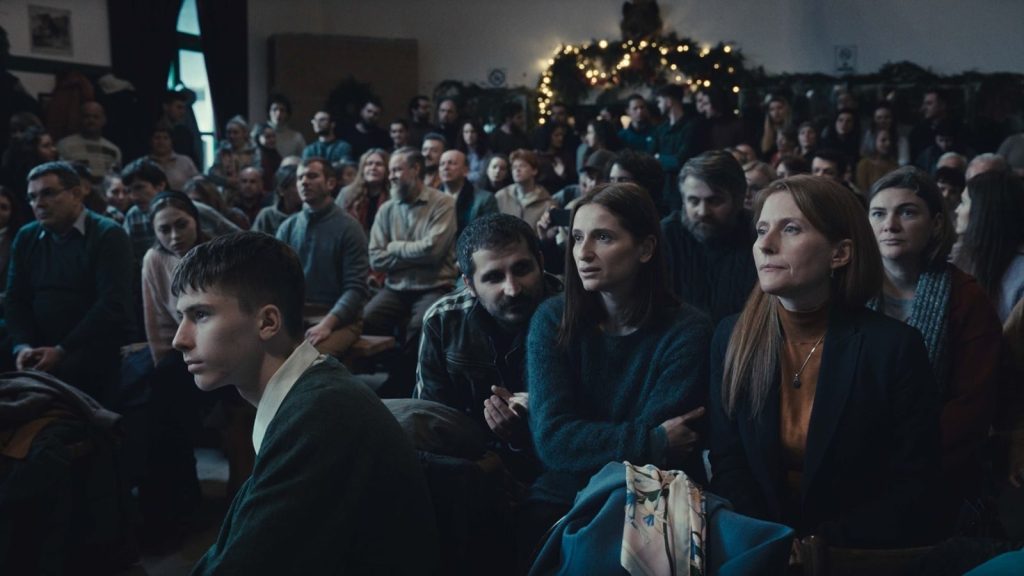
R.M.N.
Cristian Mungiu continues to exemplify absolute character precision – and delivers an absorbingly ratcheting long take that needs to be witnessed.
– 37 –
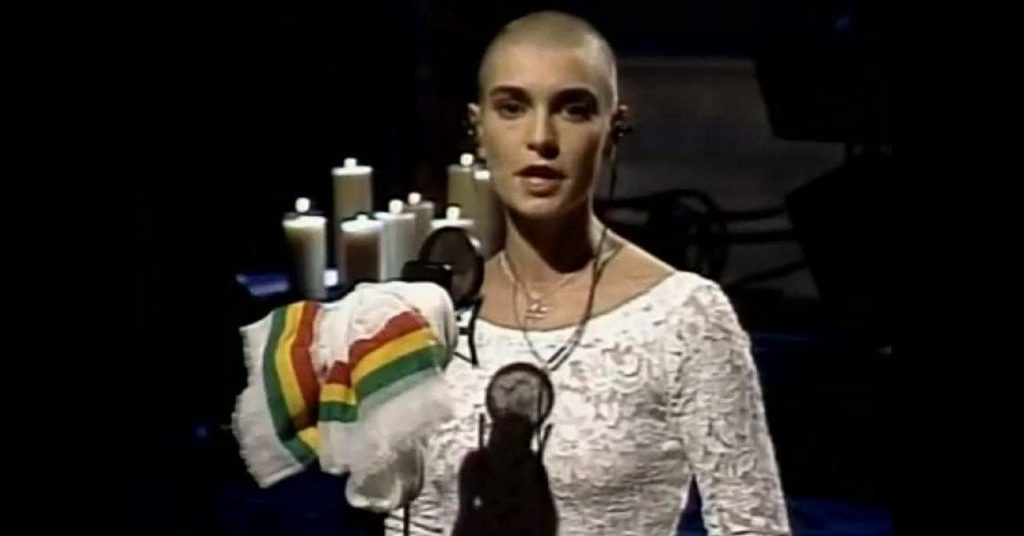
Nothing Compares
Sinead O’Connor’s legacy is reclaimed with infectiously victorious energy.
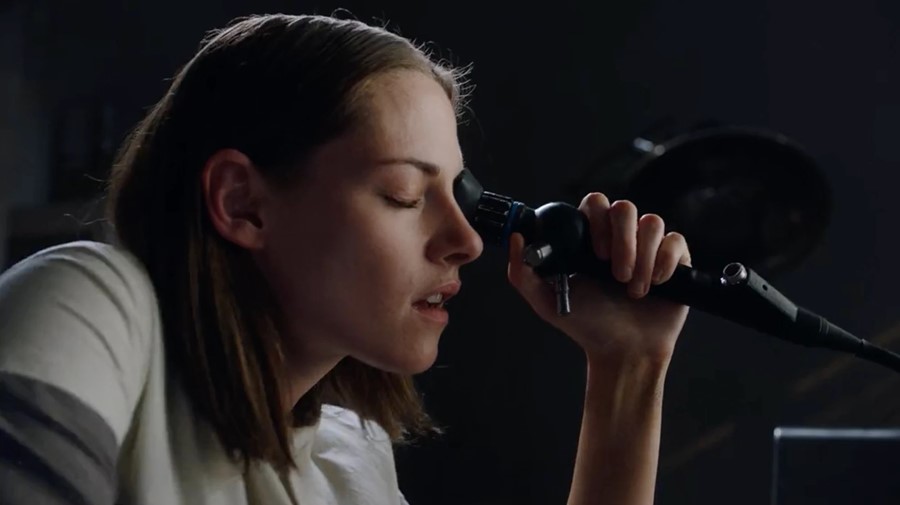
– 38 –
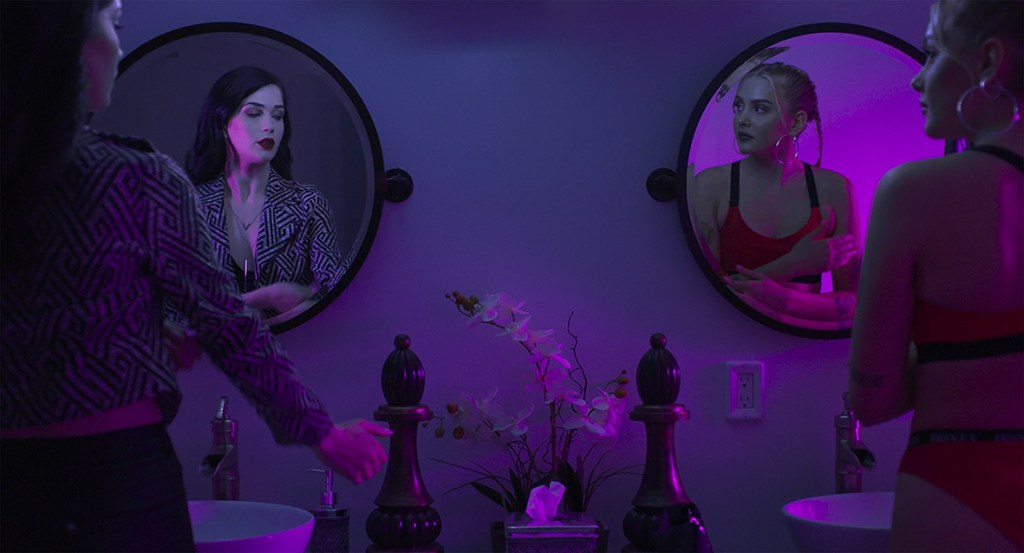
Crimes of the Future
David Cronenberg frees himself to evolve, breaking cardinal rules and deforming established themes to discover inexplicably gratifying new tastes.
– 39 –
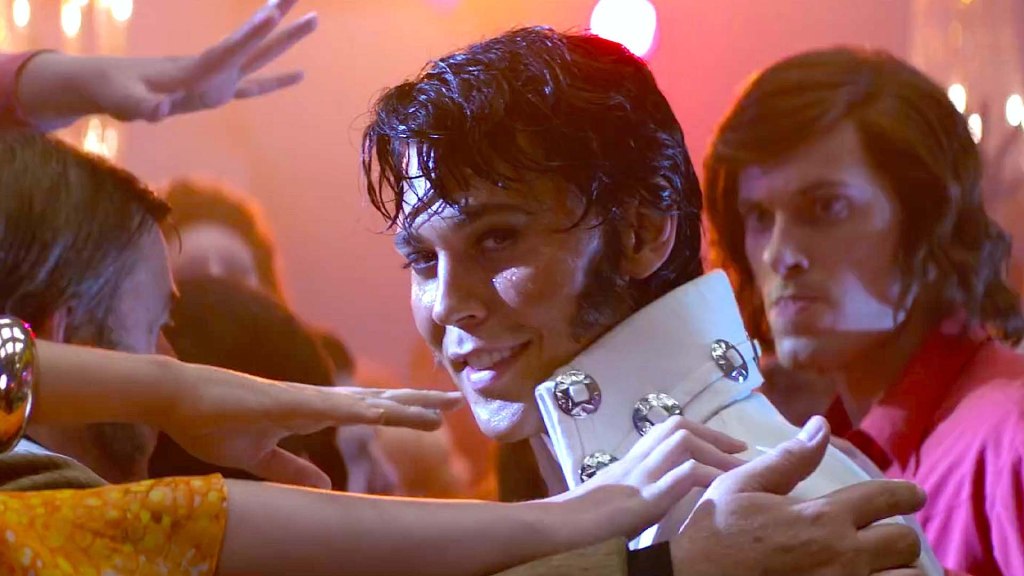
Pleasure
Though dramatically typical, the reversed gaze that Ninja Thyberg throws on pornographic iconography makes for a slickly watchable vessel to take on the constructs of institutionalized entertainment.
– 40 –
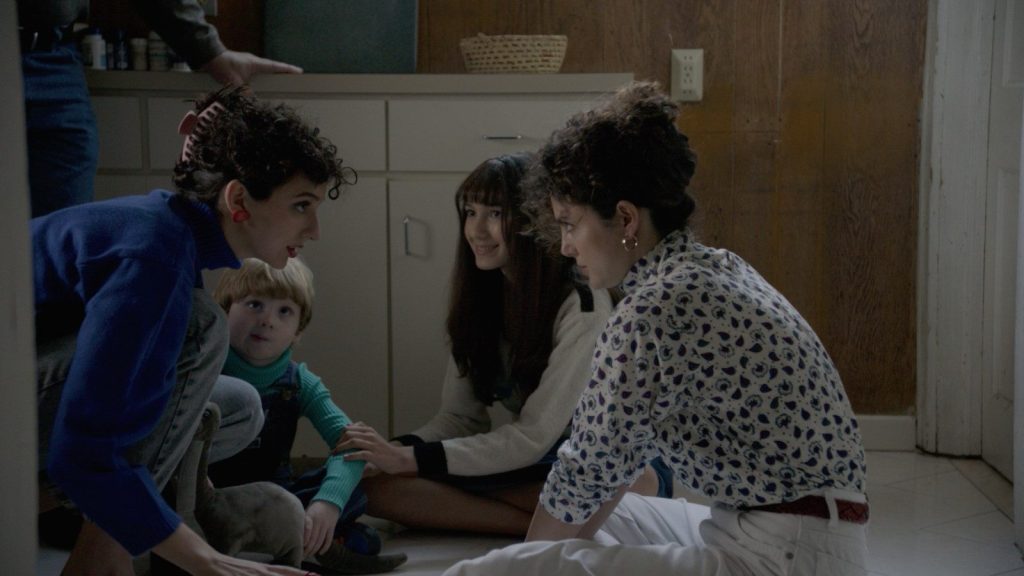
Elvis
At times almost more of a multi-concert film than a biopic, Baz Luhrmann creatively showcases a different facet of the famed performer with each grandiose set-piece.
– 41 –
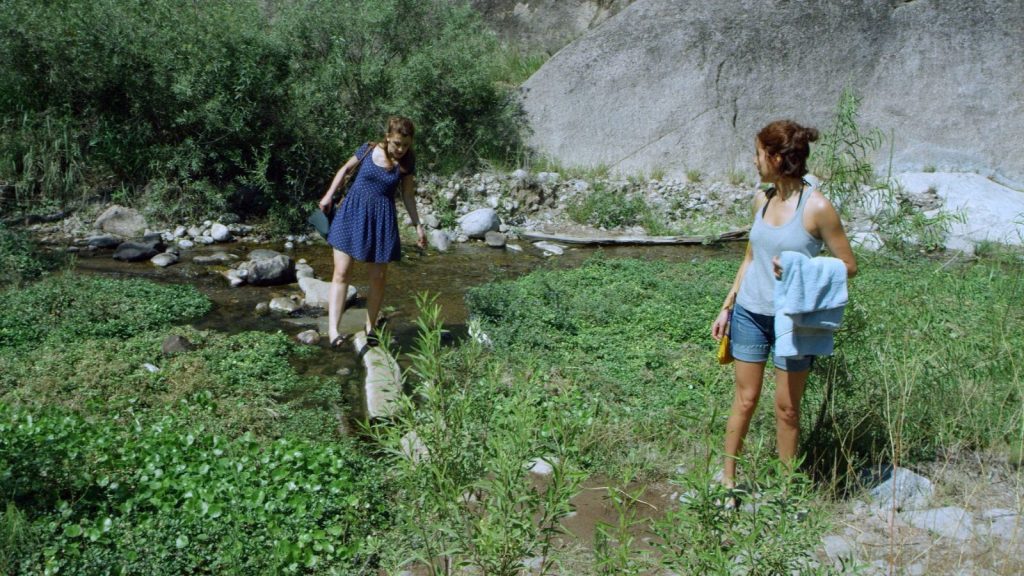
The Cathedral
Ricky D’Ambrose obsesses his autobiography with a stylistic stillness, lending to the subdued and aimless sentiment of both the household and world he grew up in.
– 42 –
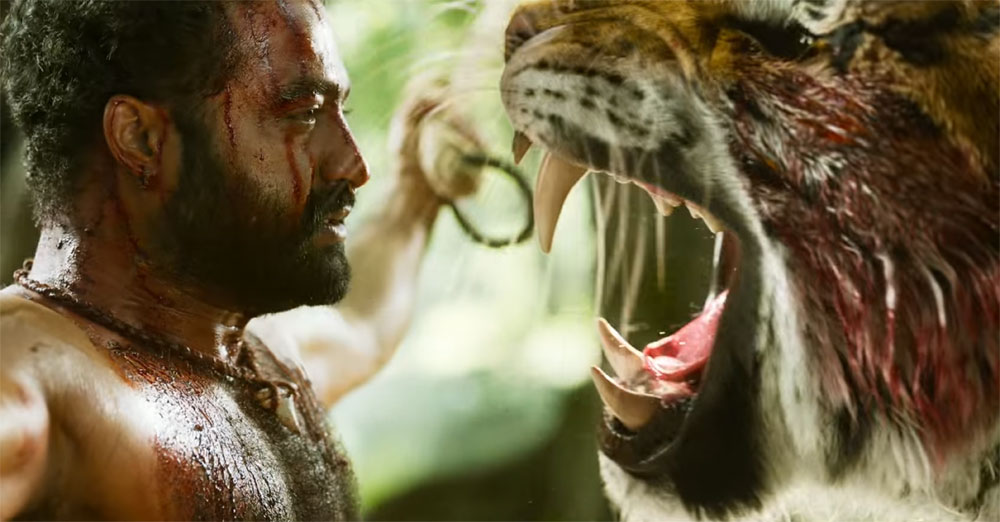
Isabella
Matias Pineiro’s latest Shakespeare treatise could be his most symbolically and sequentially convoluted, but that intangibility draws us even closer to its thespian gravitas.
– 43 –
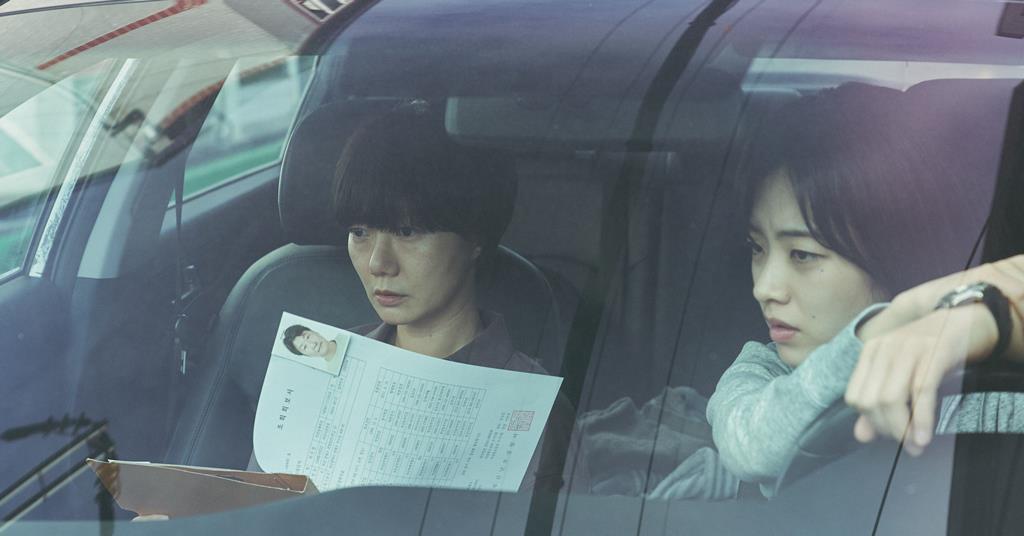
RRR
I haven’t seen many blockbusters this year, so I’ll just assume that RRR is better than all of them.
– 44 –
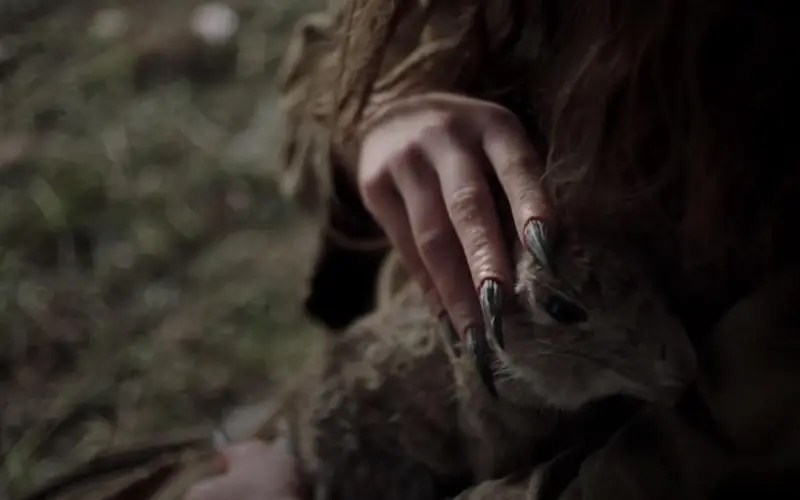
Broker
As with his previous feature, Hirokazu Kore-eda humbly translates his venerable technique to foreign context, this time thoughtfully reimagining South Korean drama.
– 45 –
You Won’t Be Alone
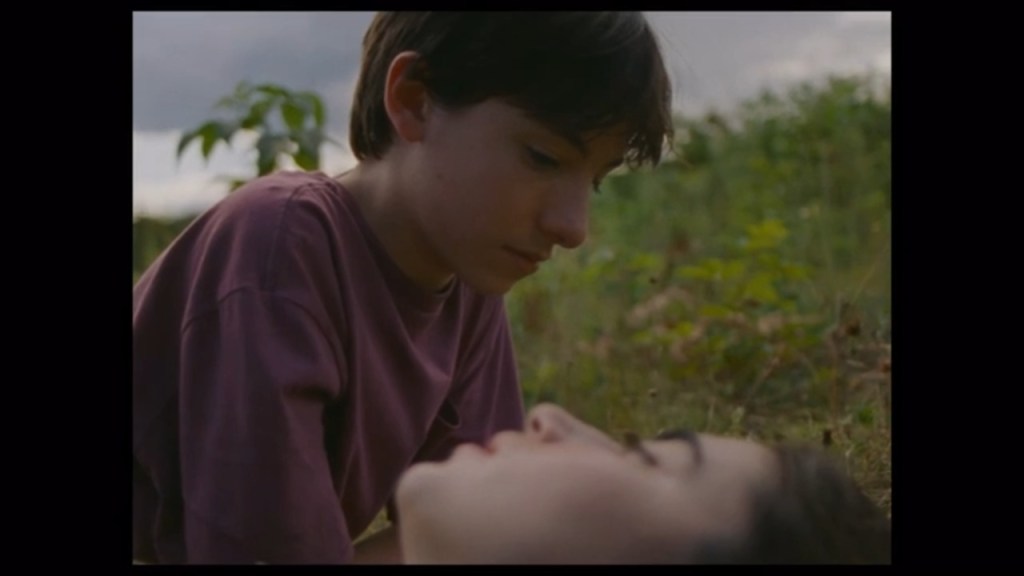
Gruesome but without the gore, sexual but without the gratuity, Goran Stolevski sheds expectations in this Serbian-produced supernatural anti-thriller.
– 46 –
Falcon Lake
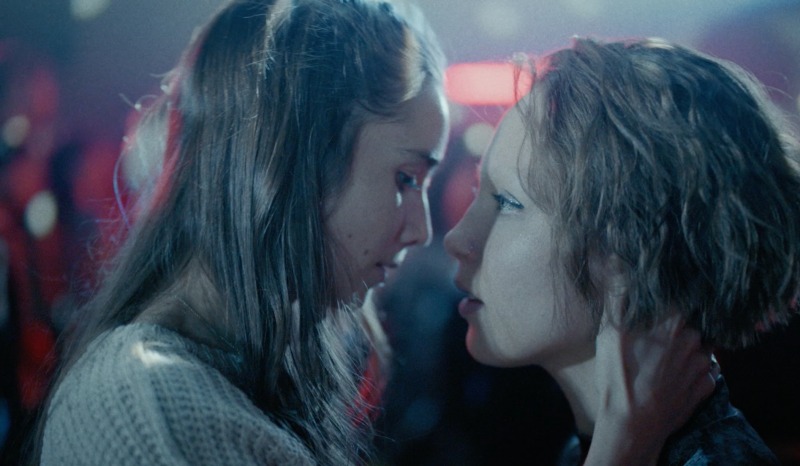
Charlotte LeBon’s coming of age debut offers little surprises, but it has enough atmospheric lavishness and sensual volume to drown yourself in.
– 47 –
Girl Picture
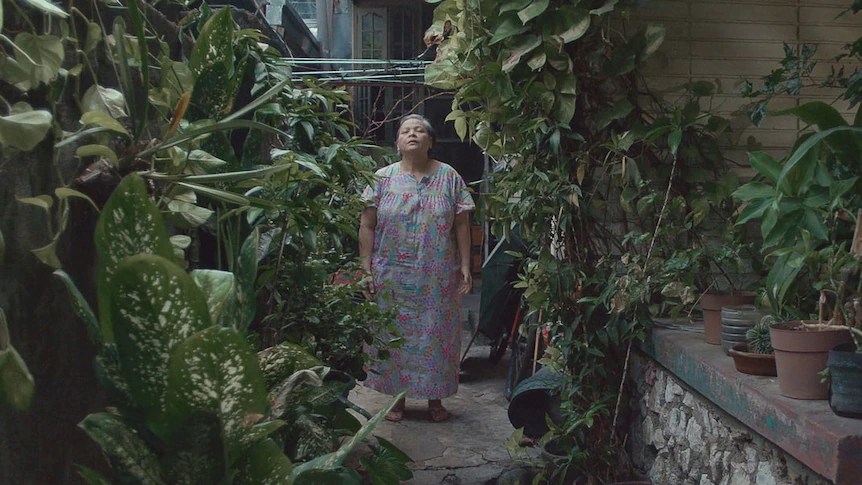
Three charming adolescent character studies entice us into the familiar crossroads of untangling identity, family, and sexual desire (or lack of it).
– 48 –
Leonor Will Never Die
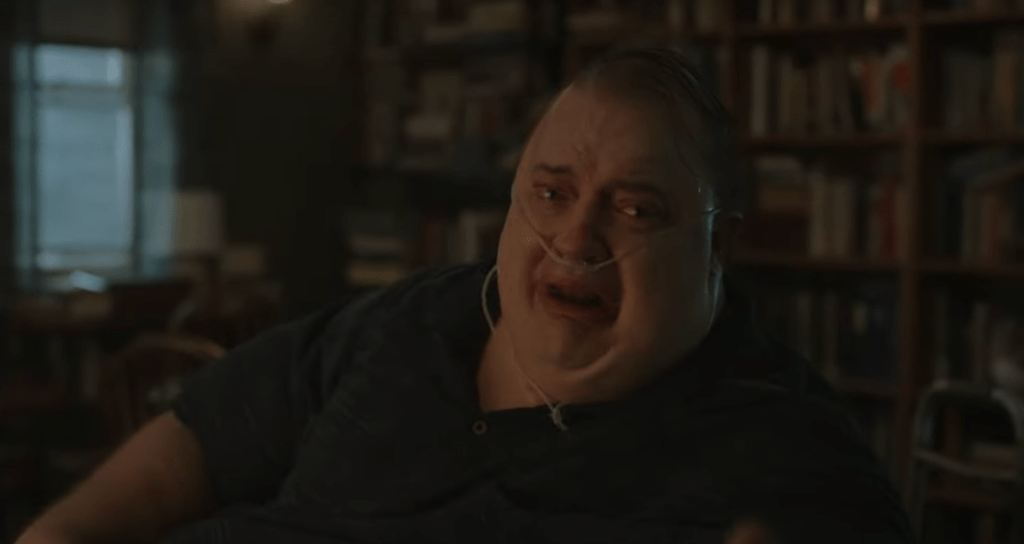
Sheila Francisco’s performance enlivens this fantastically on-the-mark (and yet genuinely loving) experimental send-up of Filipino action movies and sketch comedies.
– 49 –
The Whale
Both Brendan Fraser and Darren Aronofsky cut a broad swath of bleeding emotion as only they can.
– 50 (tie) –
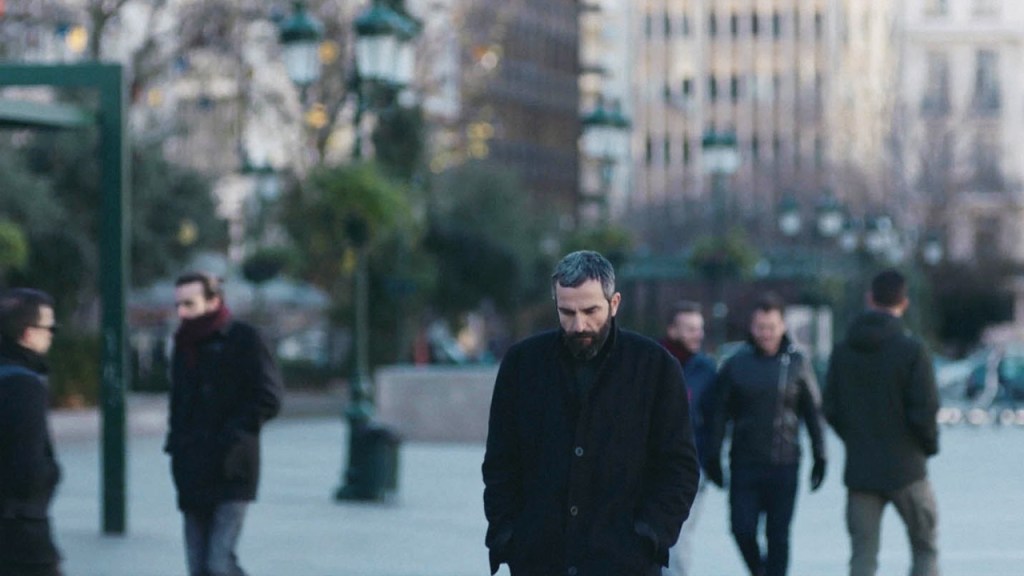
Apples
Christos Nikou’s wryly mesmerizing feature brings a circuitous mystique to the search for meaning.
– 50 (tie) –
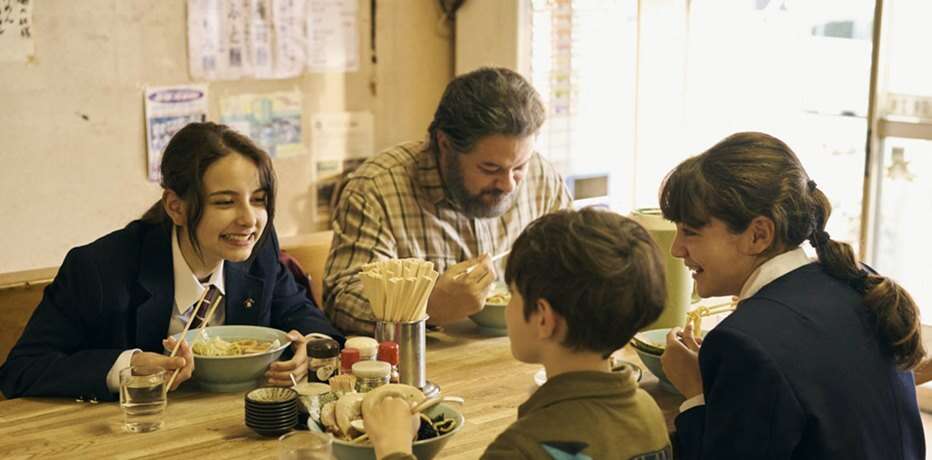
My Small Land
Emma Kawawada’s Kurdish immigrant piece challenges an unexplored dimension of Tokyo cinema.
 flies on the ceiling